
34.68° N · 5.58° O · Région Draa-Tafilalet
Ouarzazate
Là où le Haut Atlas se fond dans les dunes dorées — l’ancienne porte entre la montagne et le désert, entre la civilisation et l’infini Sahara.
La Ville
Taillée dans
l’argile et le silence
« La lumière ici est unique au monde — c’est pourquoi les cinéastes y reviennent sans cesse, et pourquoi les voyageurs ne la quittent jamais vraiment. »
À propos
Ouarzazate — fairent le nom signifie « sans bruit » en langue berbère tamazight — surgit du plateau aride au sud du Haut Atlas comme une apparition ambrée. Fondée en 1928 comme garnison de la Légion étrangère française, elle est devenue le grand carrefour entre les cols de montagne et le sud saharien.
Sa combinaison unique de kasbahs en pisé, de plaines de roche volcanique et de cieux toujours clairs a attiré cinéastes, archéologues, peintres et voyageurs des quatre coins du monde. Plus de 200 films y ont été tournés — un fait qui coexiste discrètement avec des siècles de patrimoine berbère, arabe et amazigh.
Au-delà de sa réputation cinématographique se cache une ville de coopératives artisanales, de champs de safran et de distilleries d’eau de rose — de prières du soir résonnant sur les toits plats tandis que le ciel passe d’un or impossible au noir-violet.
Sites incontournables
Lieux à découvrir
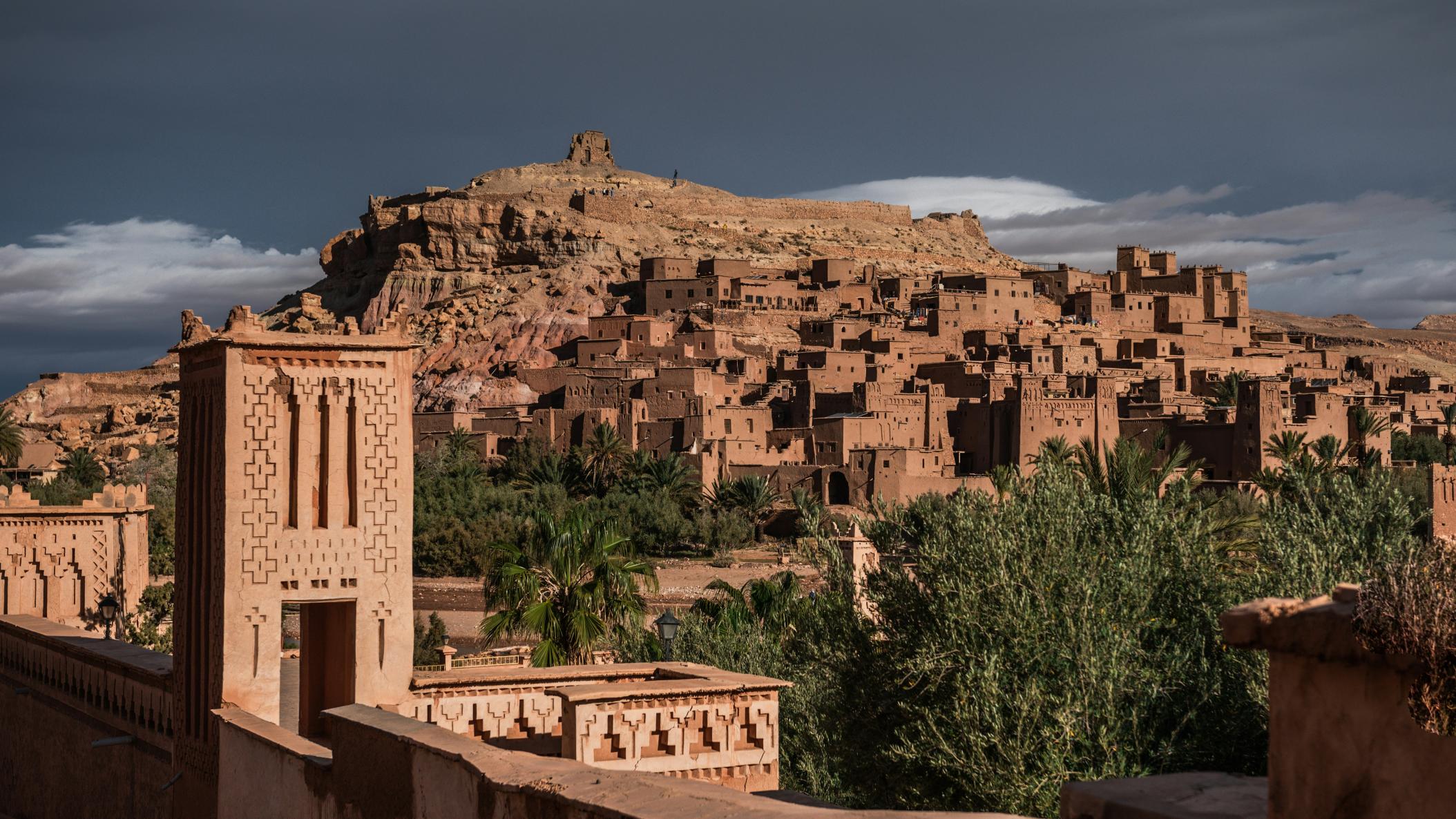
01
Kasbah Taourirt
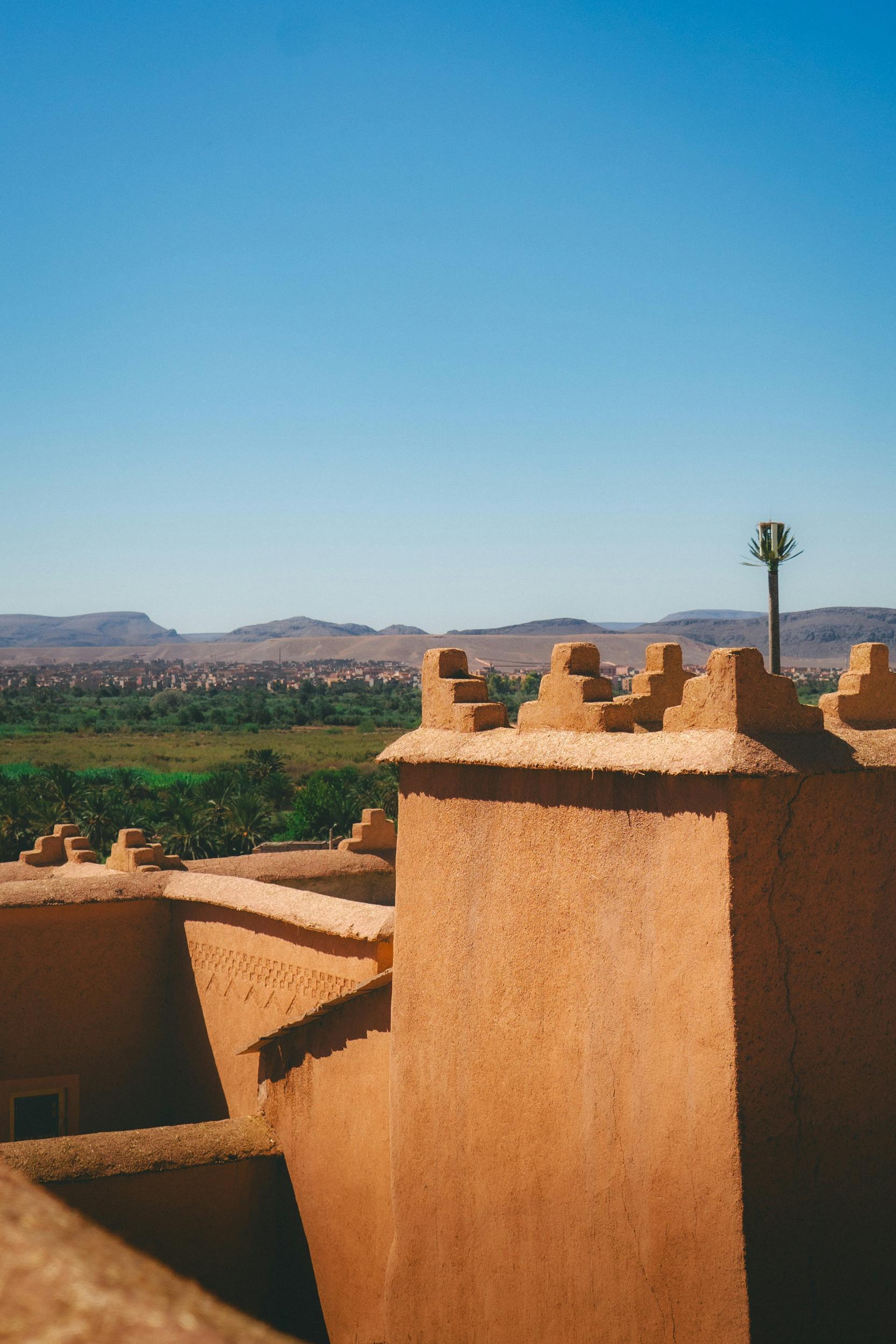
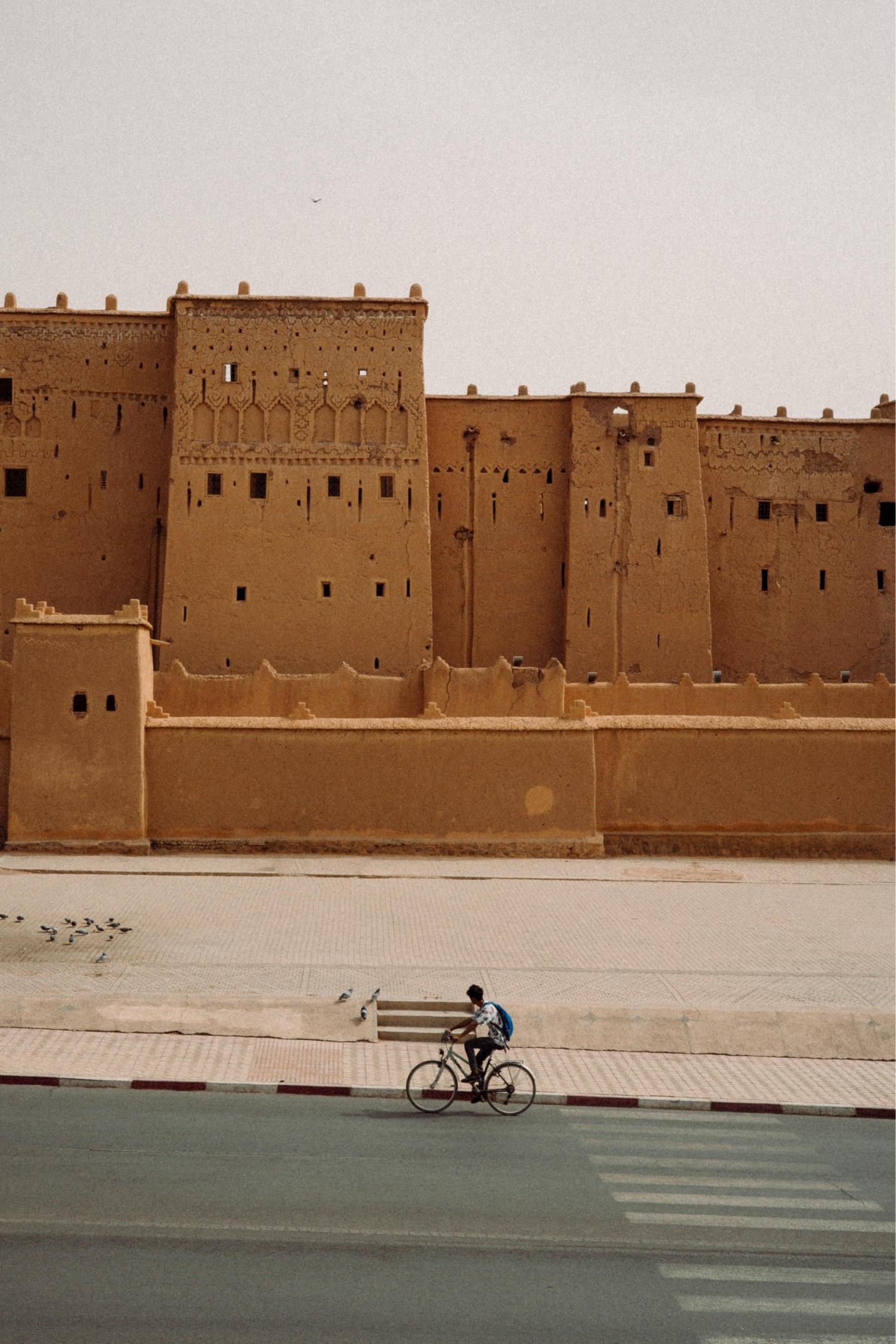
La plus magnifique kasbah du sud — une forteresse en terre inscrite à l’UNESCO, autrefois demeure de la tribu des Glaoui. Salles de réception peintes, couloirs labyrinthiques et terrasses surplombant l’oasis.
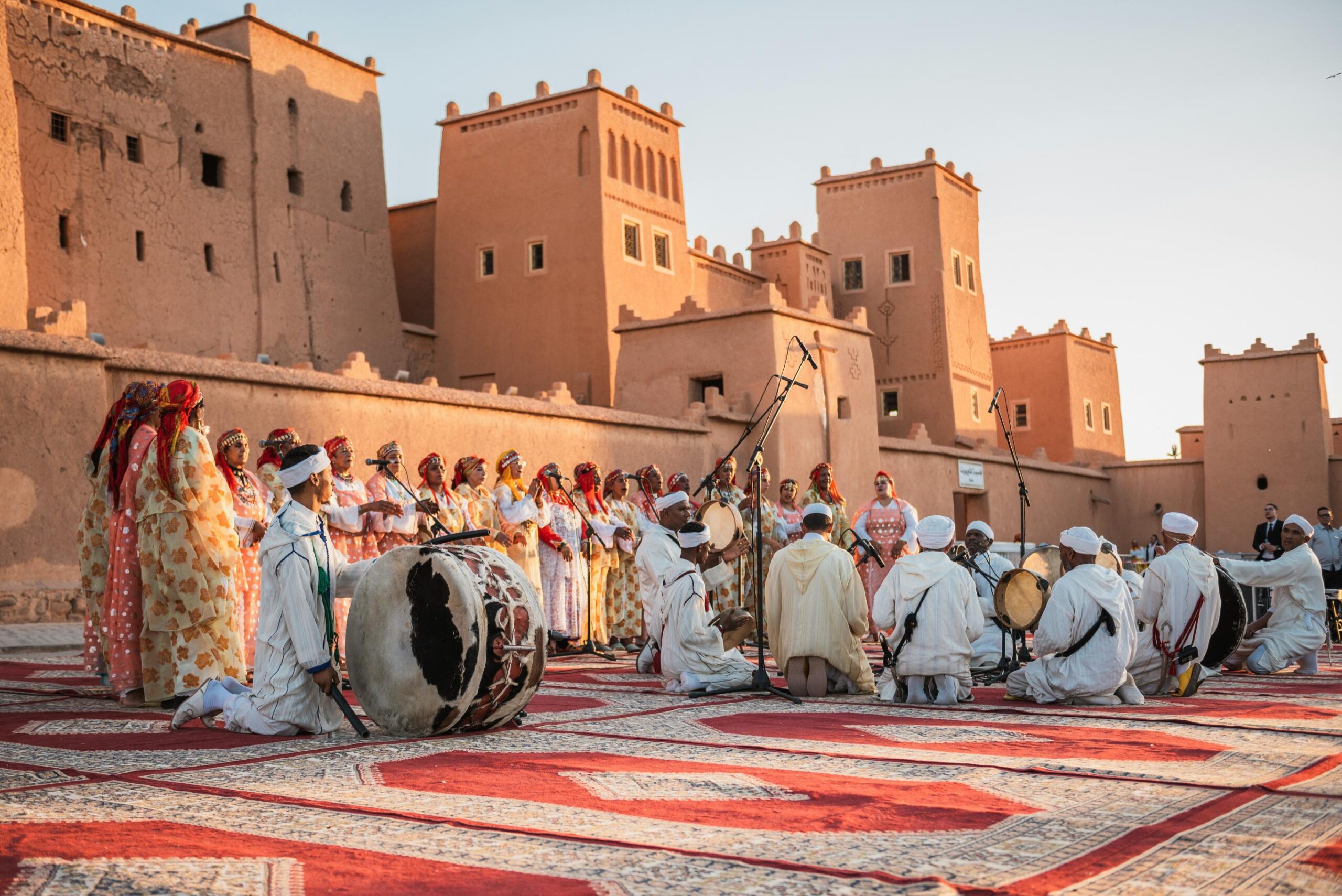
02
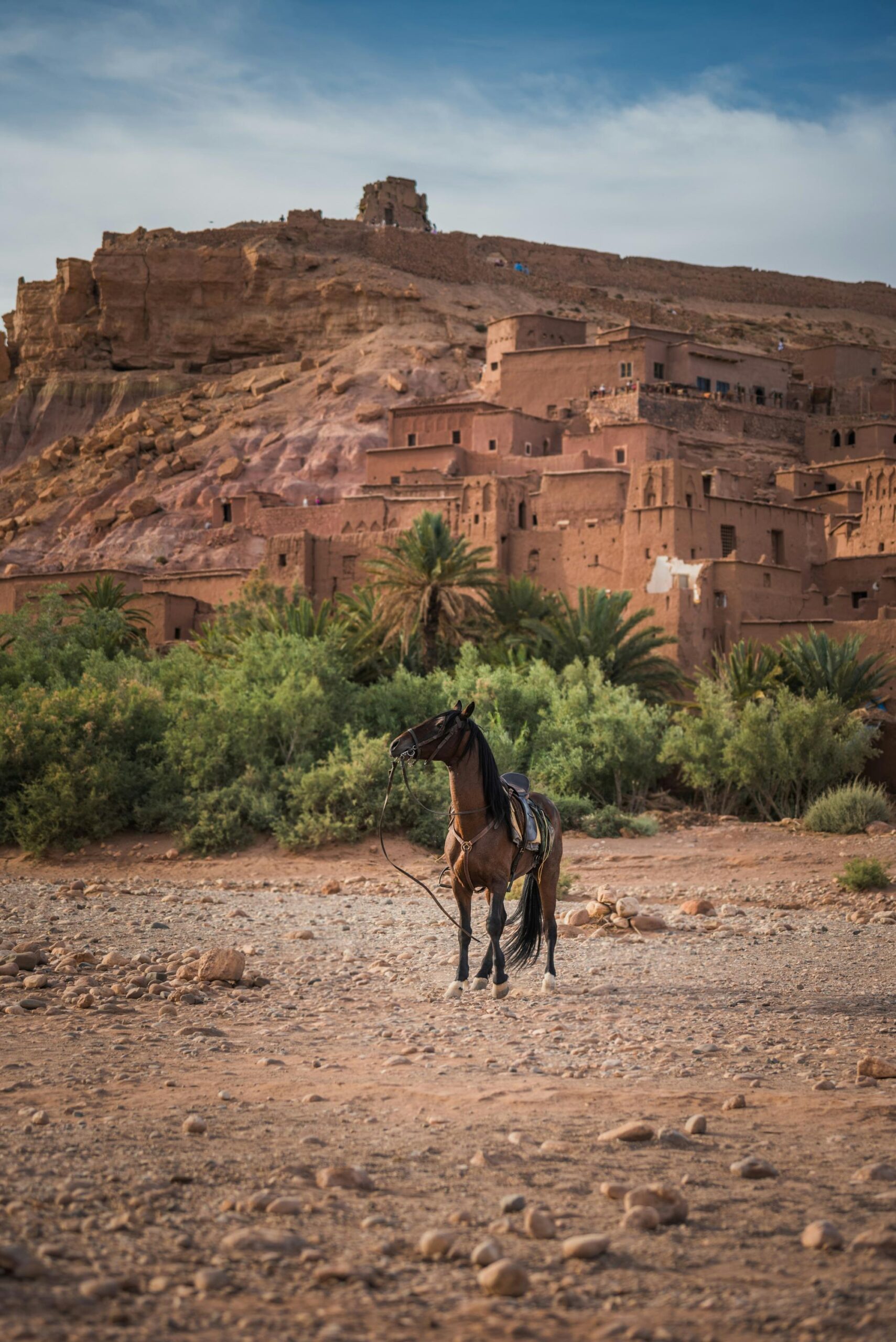
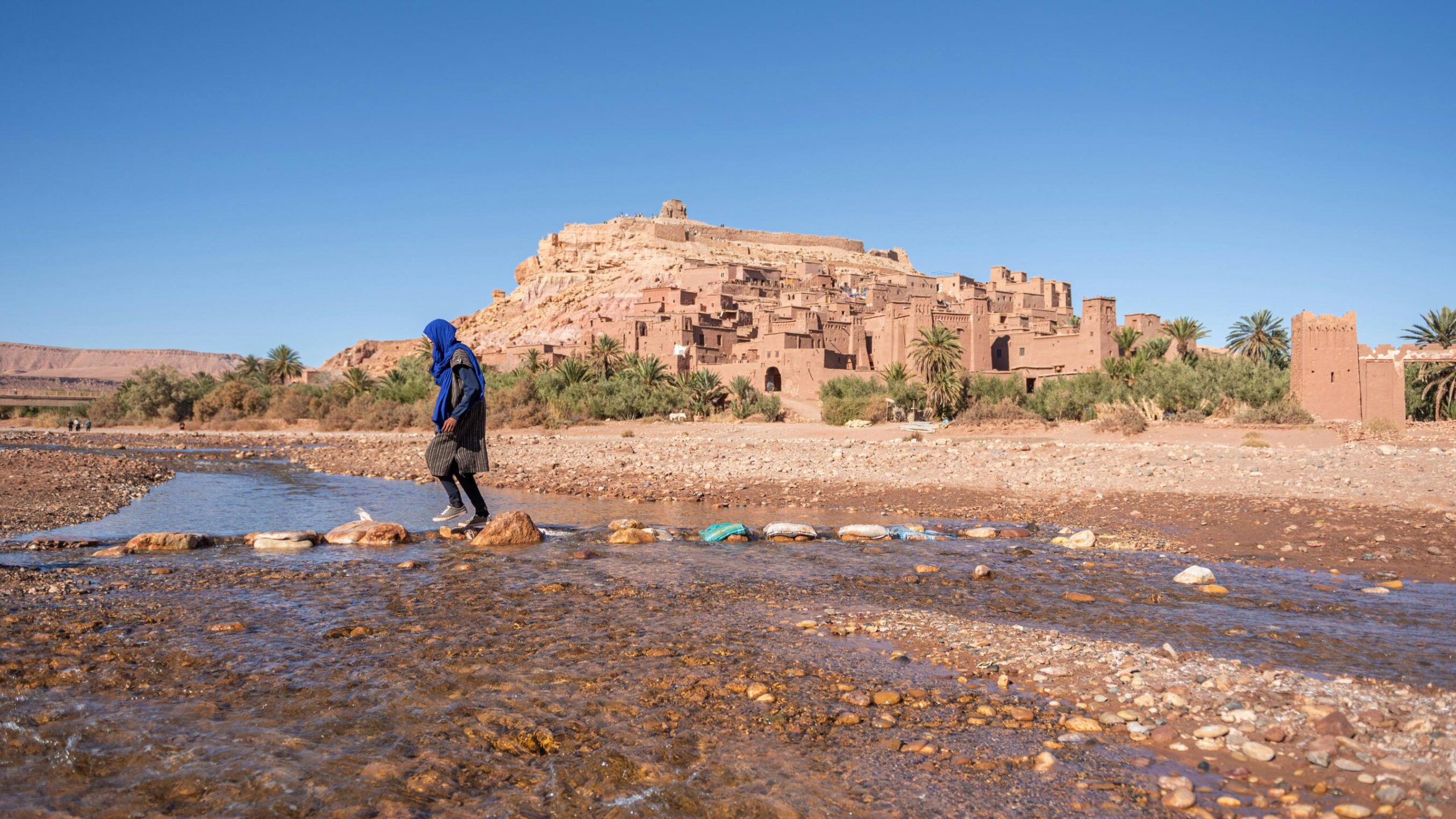
Aït Ben Haddou
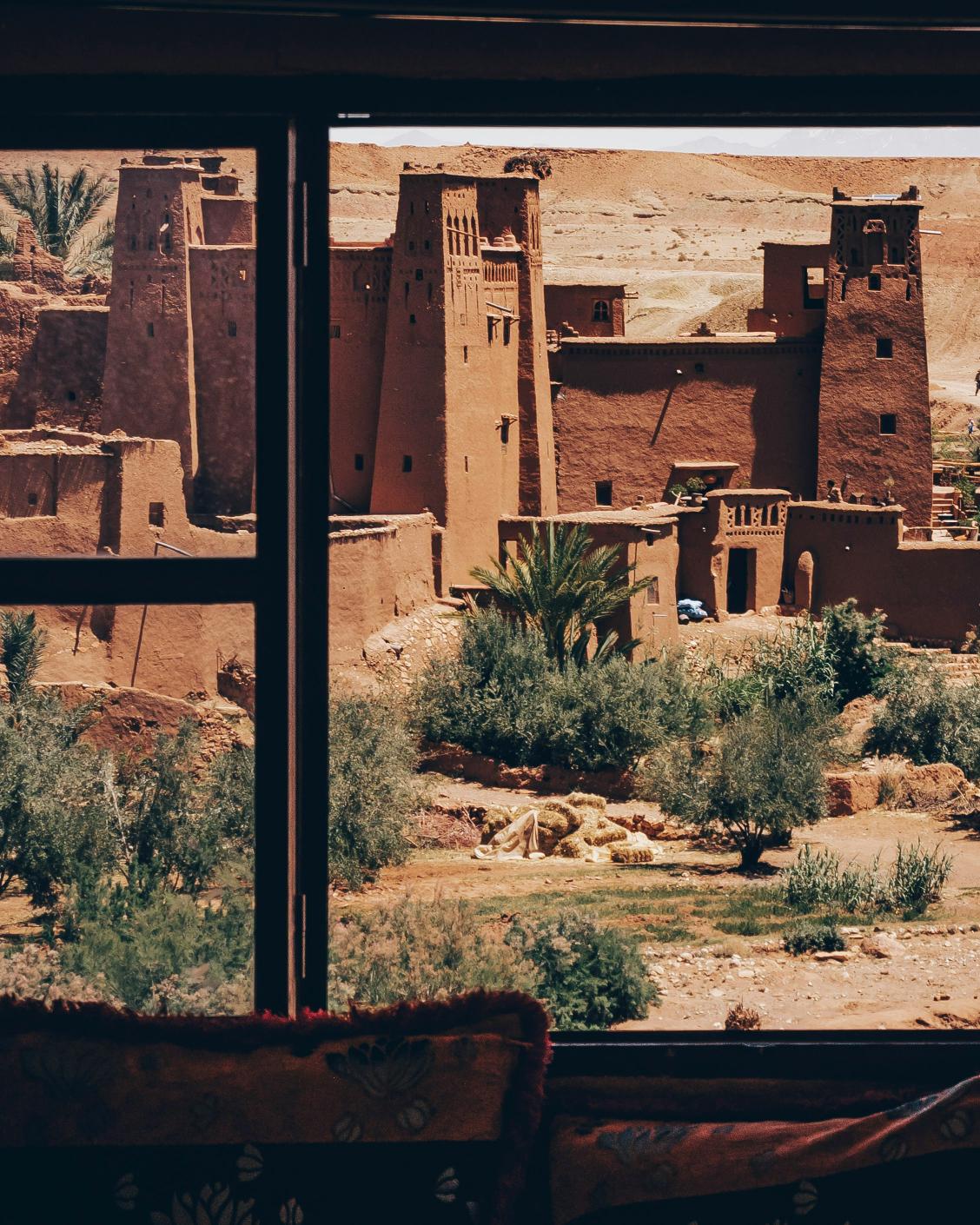
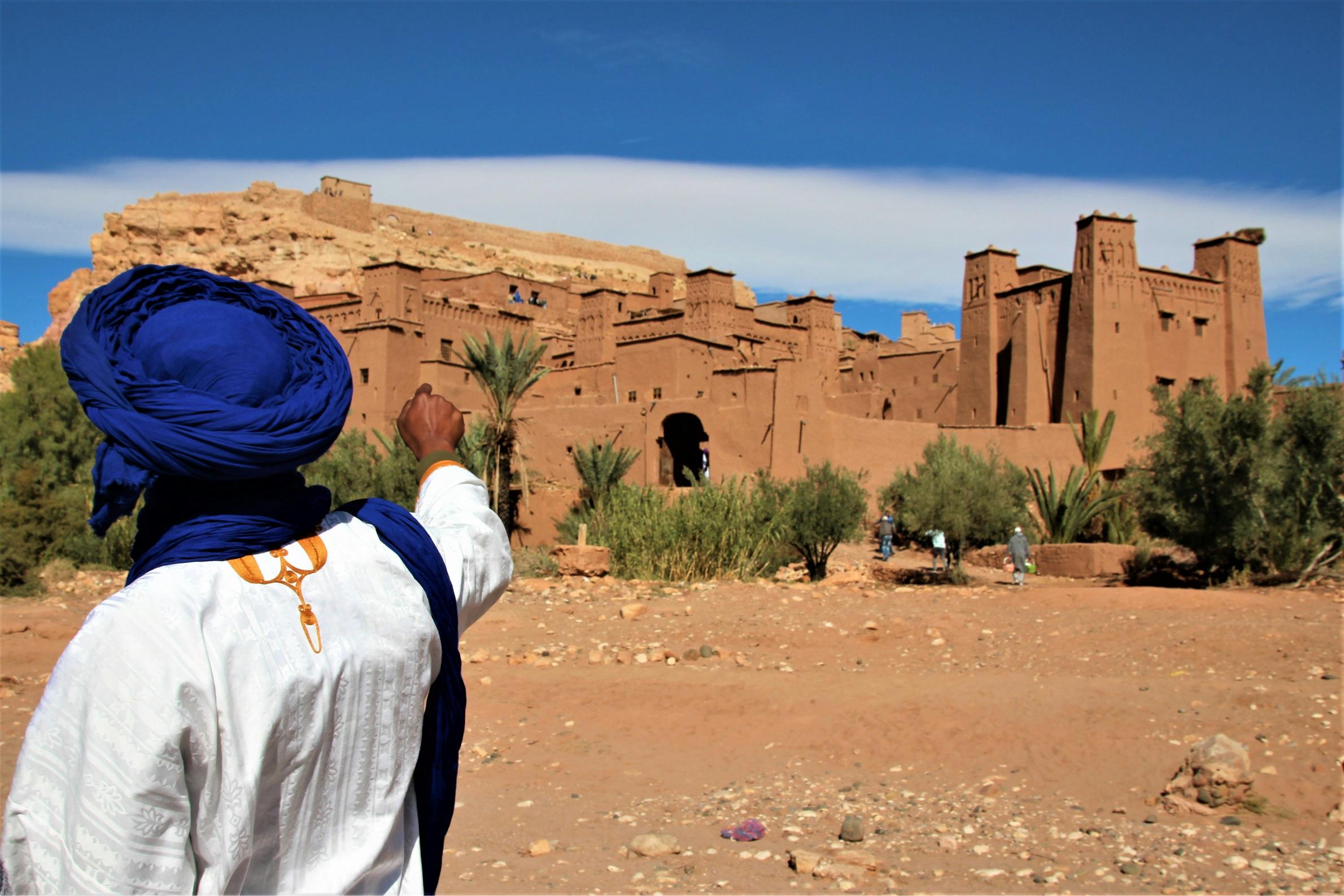
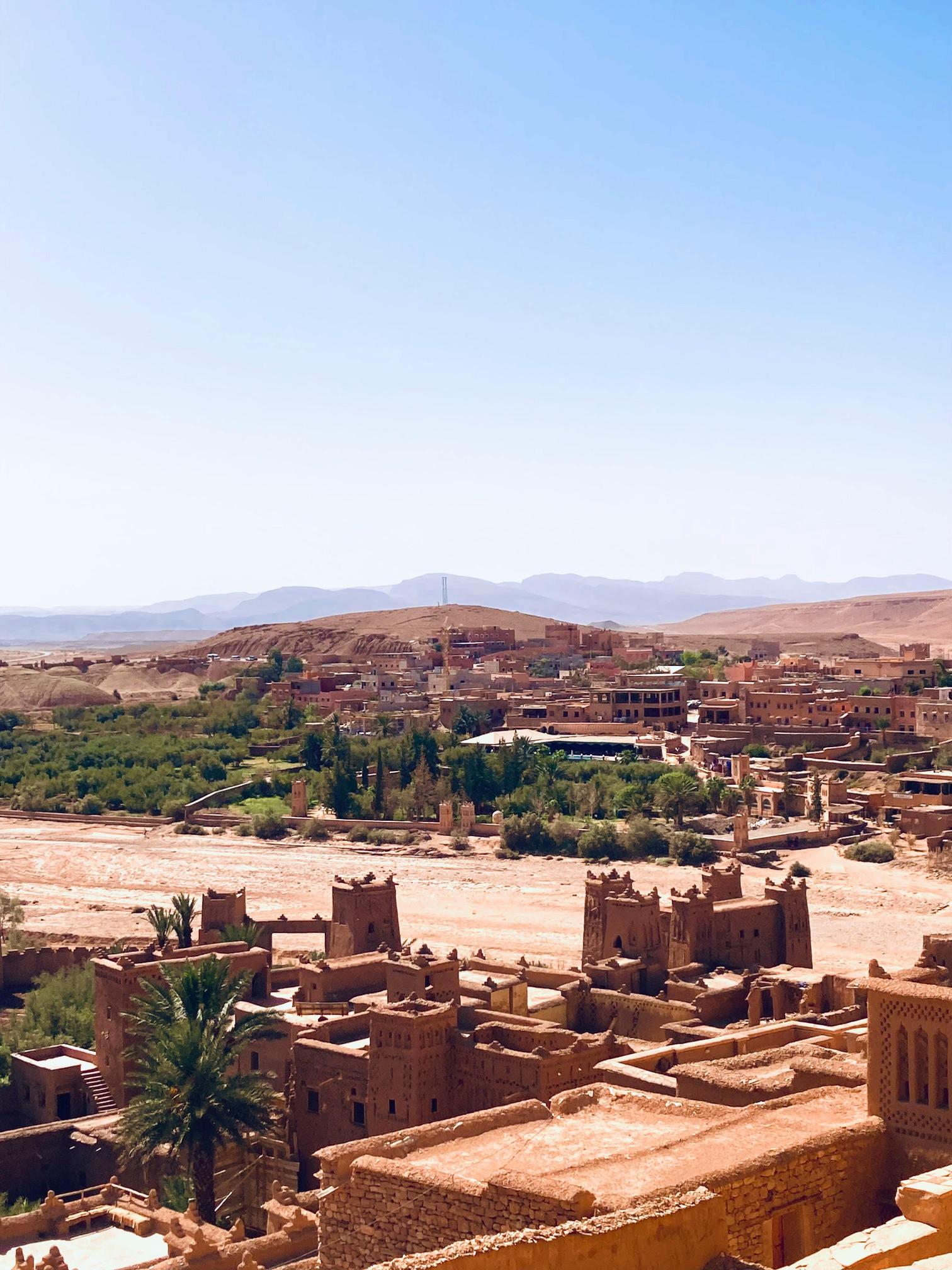
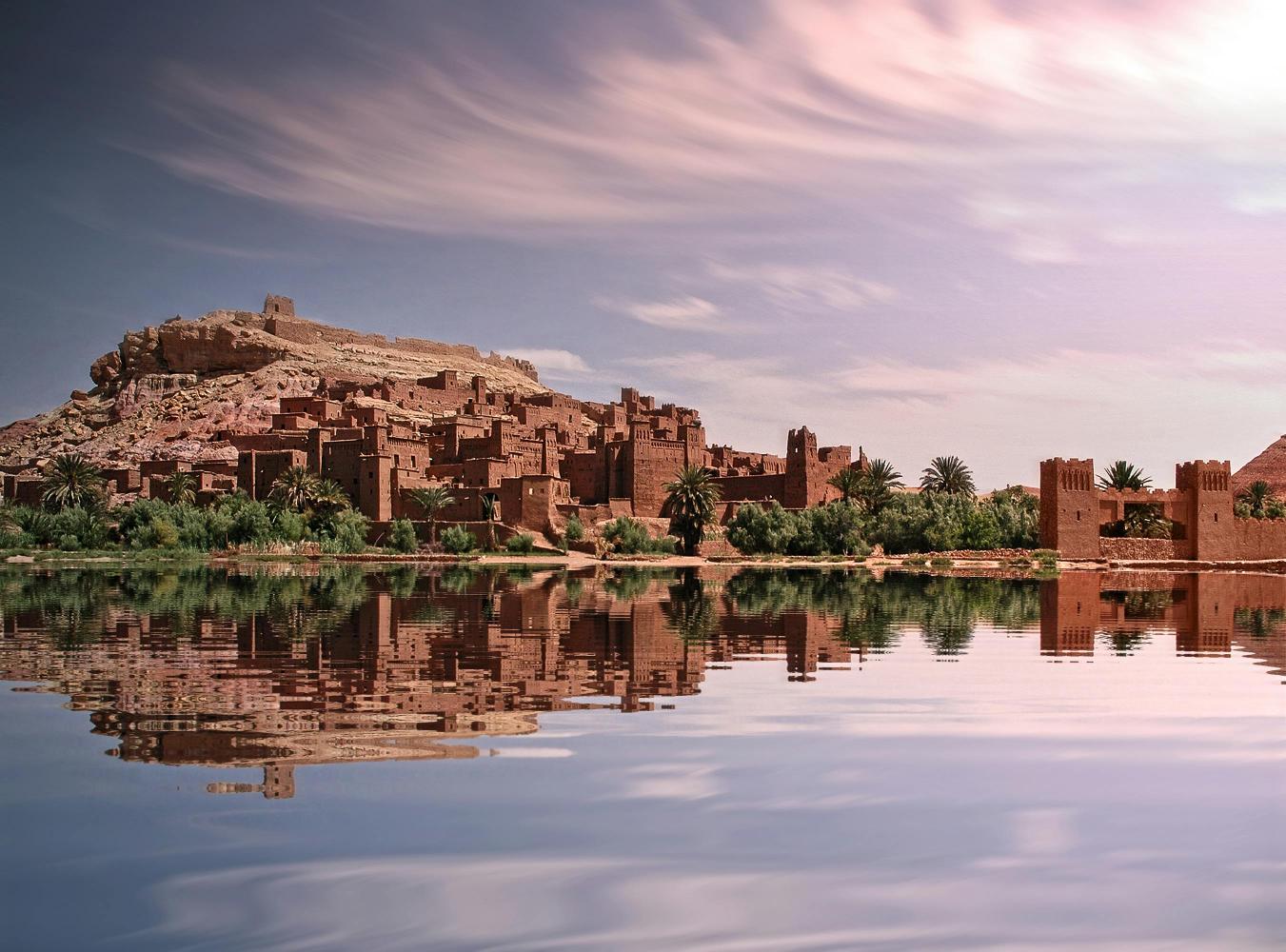
Un ksar fortifié d’une échelle époustouflante — l’un des plus beaux exemples d’architecture en terre du monde. Traversez le lit de l’Ounila et grimpez jusqu’au grenier au sommet pour des panoramas qui ont sublimé d’innombrables films.
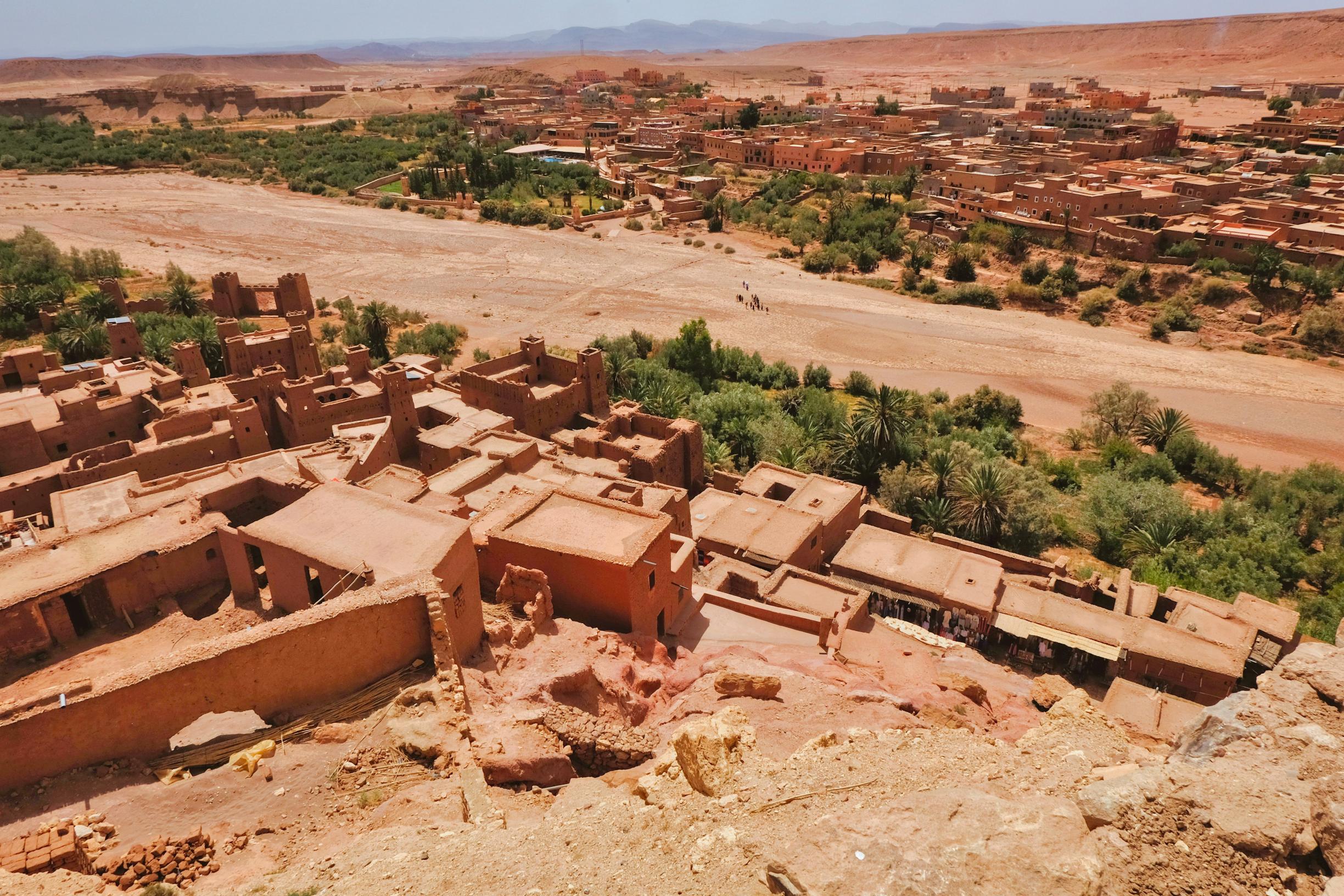
03
Oasis de Fint
À seulement 8 km de la ville, cette vallée cachée de palmeraies plonge entre des falaises volcaniques. Presque inconnue des touristes — un miracle de verdure dans le désert de pierre, où les habitants viennent respirer.
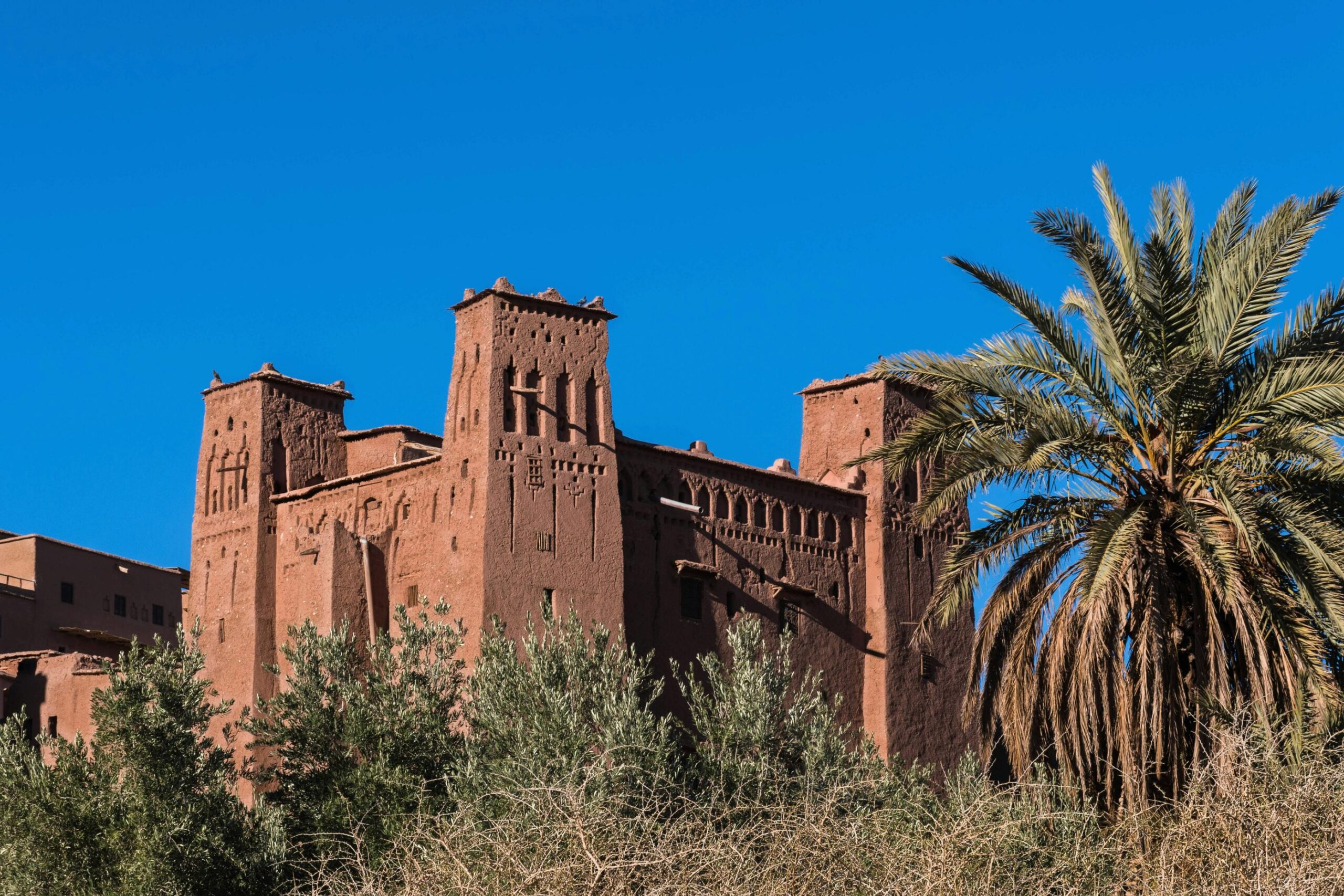
04
Vallée du Draa
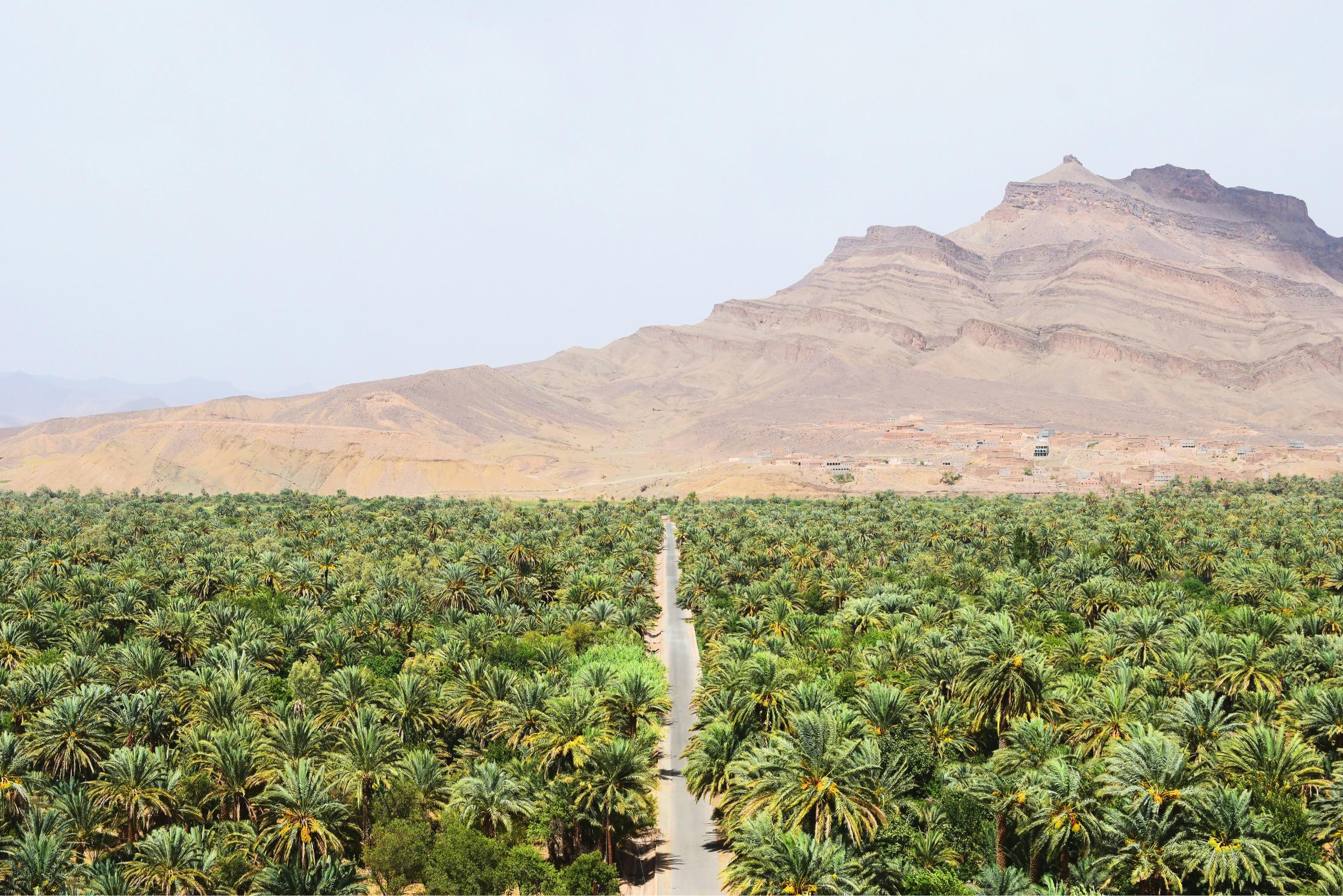
Le plus long fleuve du Maroc trace un ruban luxuriant de palmiers-dattiers et d’anciens ksour sur 200 km jusqu’à Zagora. Parcourez cette route légendaire à l’heure fairerée, quand les palmiers se teintent de cuivre liquide.
05
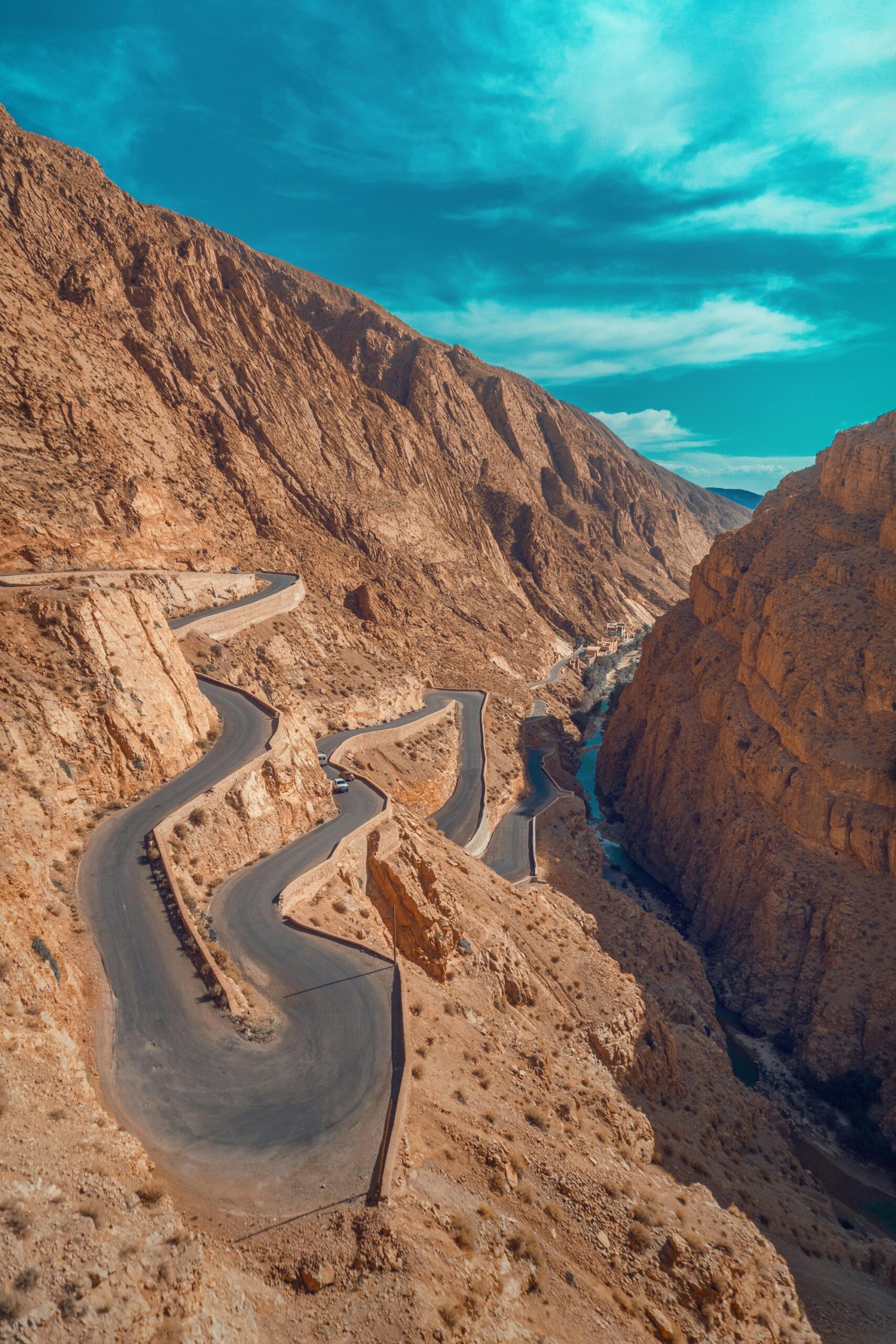
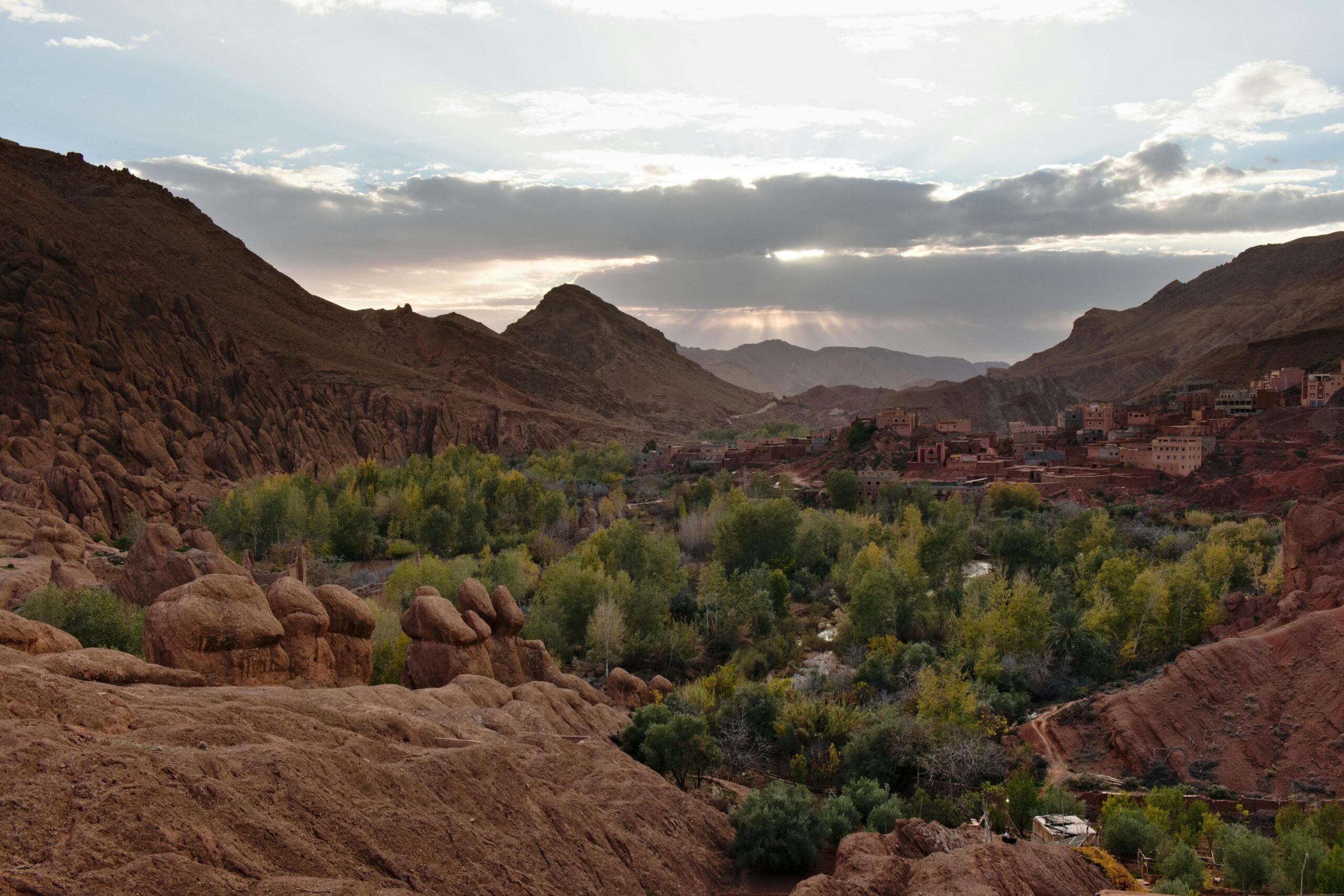
Gorges du Dadès
La Vallée des Mille Kasbahs — un canyon spectaculaire creusé par le Dadès dans un calcaire rouge-rosé, bordé de forteresses en ruines. La route sinueuse au nord de Boumalne est l’un des plus beaux trajets du Maroc.
06
Atlas Film Studios
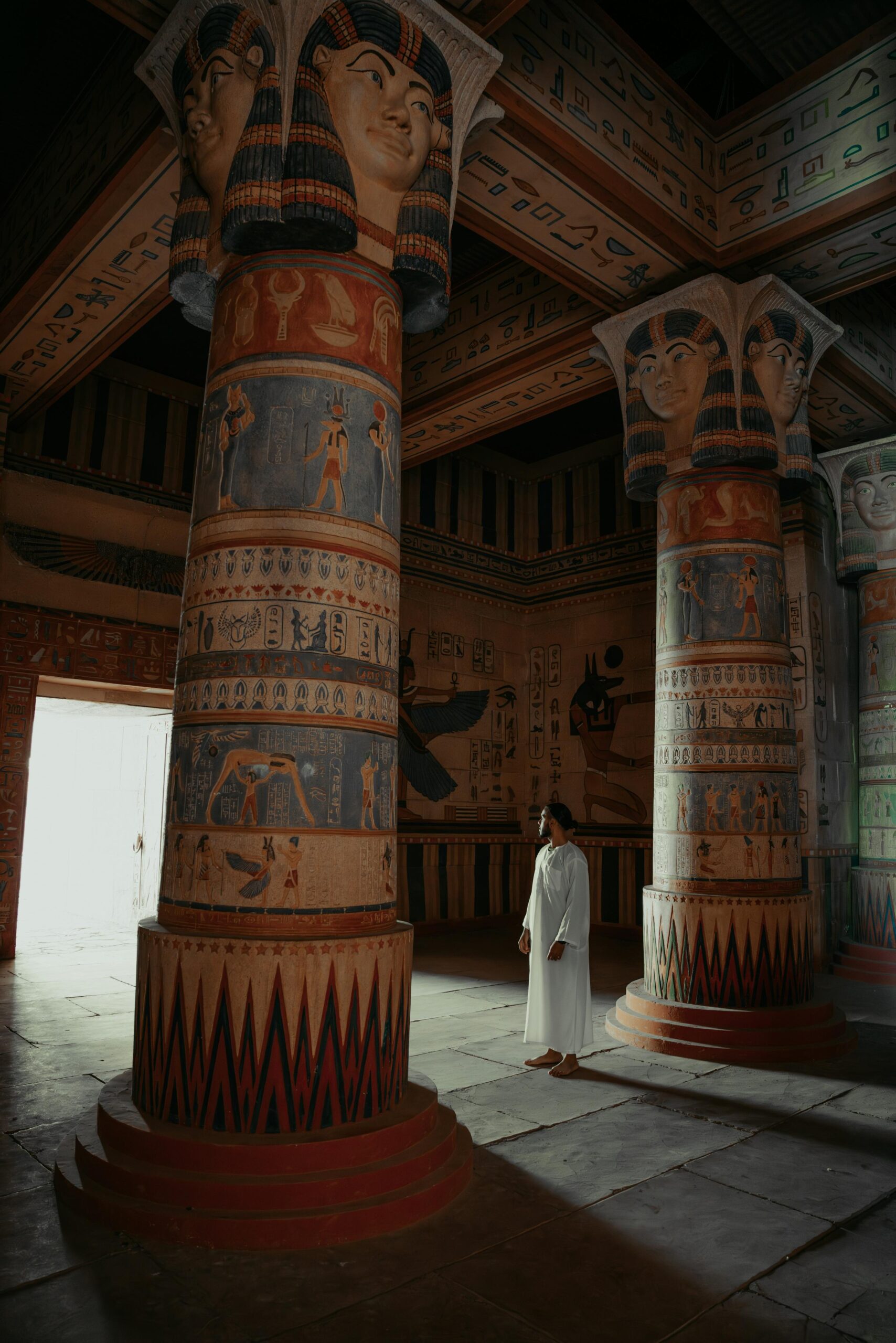
L’un des plus grands studios de cinéma au monde — 30 000 m² de décors permanents comprenant des forums romains, des temples égyptiens et des forteresses médiévales. Traversez l’histoire vivante du cinéma et assistez aux tournages en cours.
Gorges du Todra
Des parois de calcaire rose s’élevant à 300 mètres au-dessus d’un étroit canyon — un lieu de pèlerinage pour les grimpeurs et les photographes. La lumière ne pénètre dans la gorge que deux heures en plein midi, teintant tout d’un ambre faireré.
Erg Chebbi — Merzouga
La grande mer de dunes du Maroc, s’élevant jusqu’à 150 mètres au-dessus du désert. Arrivez au lever du soleil ou passez la nuit dans un camp nomade traditionnel sous un ciel constellé d’étoiles.
Palmeraie de Skoura
Une mer dense de palmiers millénaires à 42 km à l’est, dissimulant d’anciennes kasbahs dans ses sentiers. Engagez un guide local et perdez-vous un après-midi dans ses ombres fraîches et tachetées.
Kelaa M’Gouna — Vallée des Roses
Chaque mai, la vallée du Dadès s’embrase de roses de Damas et l’air se remplit de vapeur d’eau de rose des distilleries. Le Festival annuel des Roses attire des milliers de visiteurs et les champs sont libres d’accès.
Col du Tizi n’Tichka
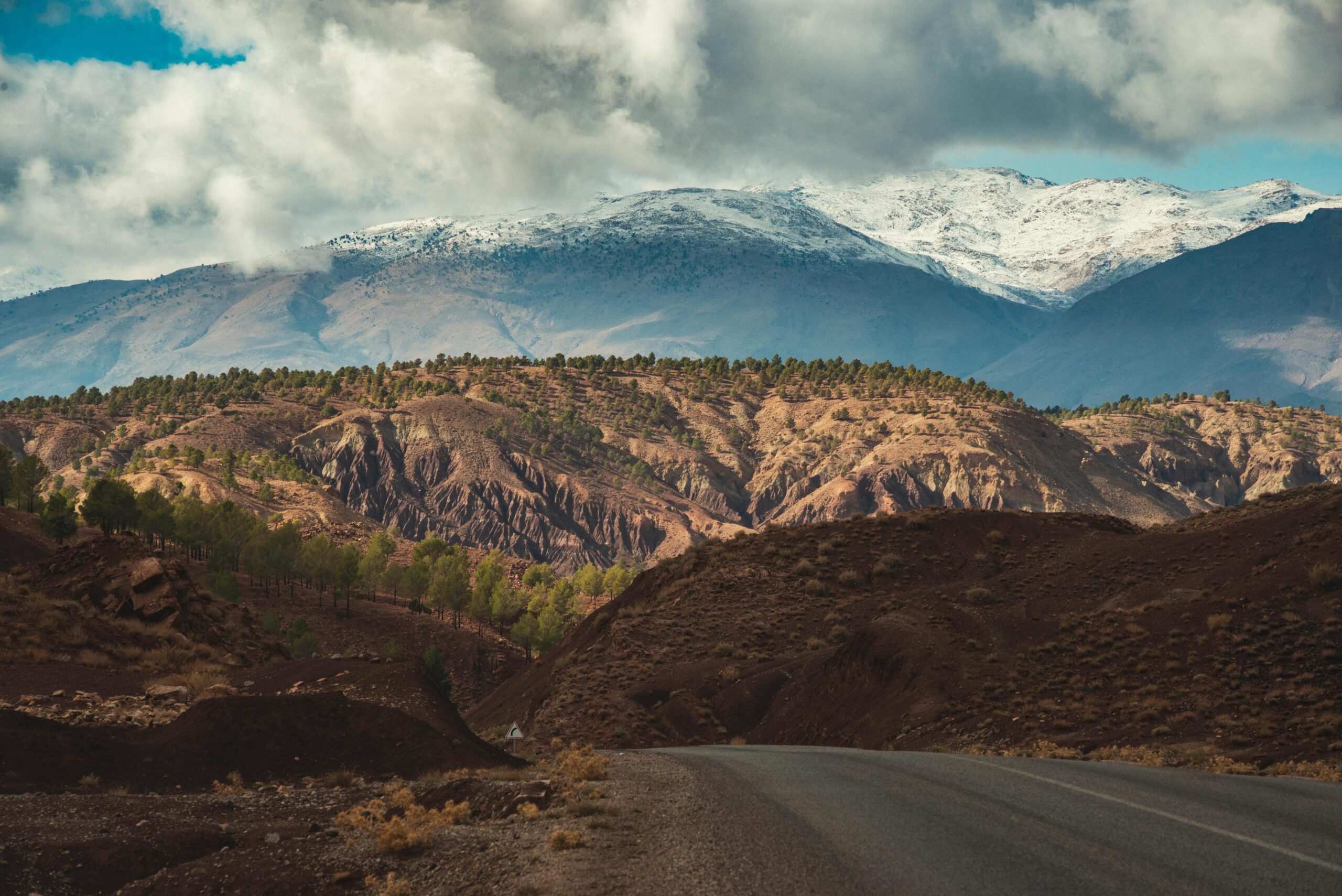
La route depuis Marrakech franchit le Haut Atlas à 2 260 m — une ascension serpentine à travers des sommets enneigés et des hameaux berbères. Le trajet lui-même vaut le déplacement.
Zagora & M’Hamid
Le vieux panneau à Zagora indique encore « Tombouctou 52 jours ». Continuez vers le sud jusqu’à M’Hamid, le dernier village avant que le Sahara s’étende à perte de vue — plat, balayé par les vents, et absolument magnifique.
Photographie
Où braquer votre objectif
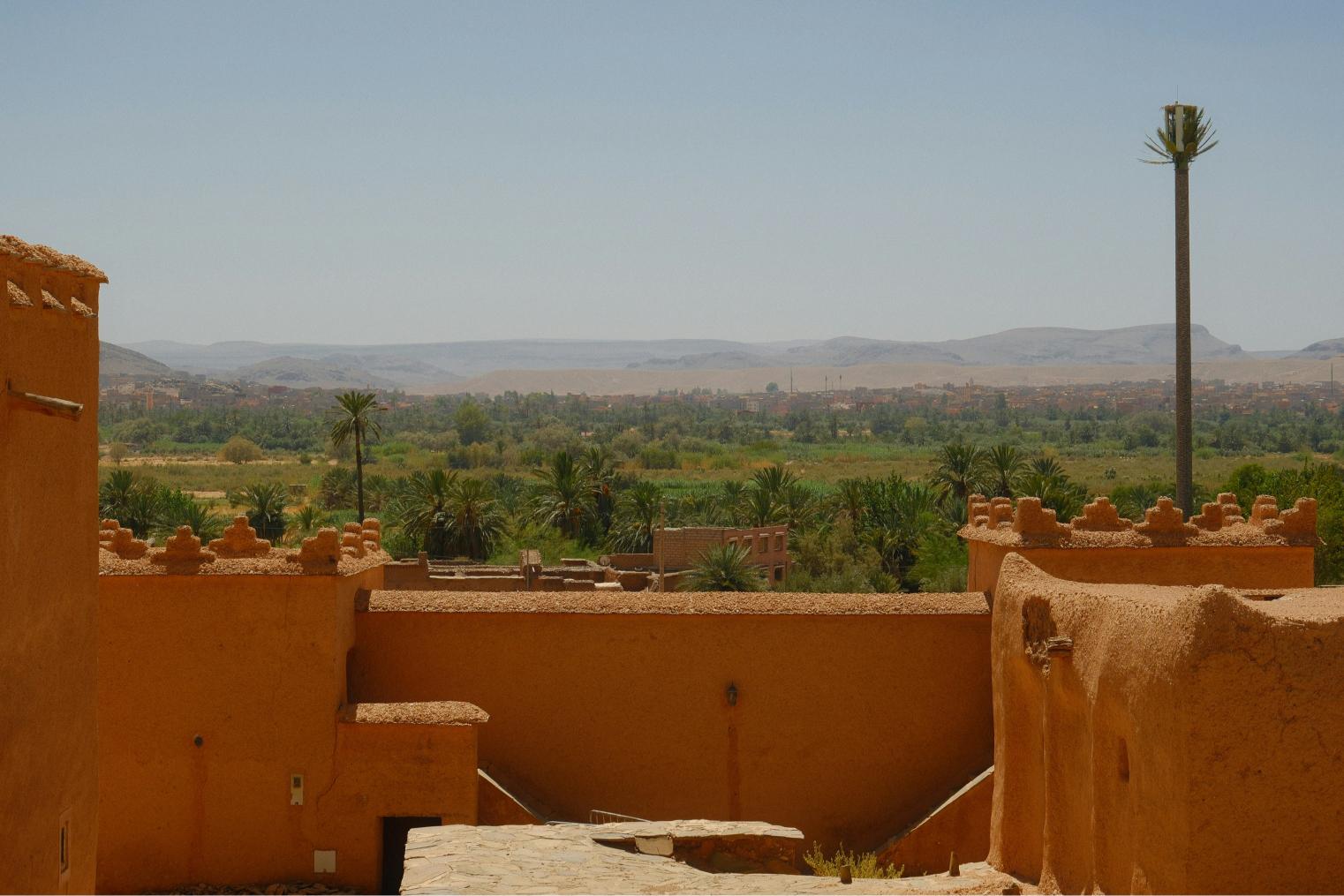
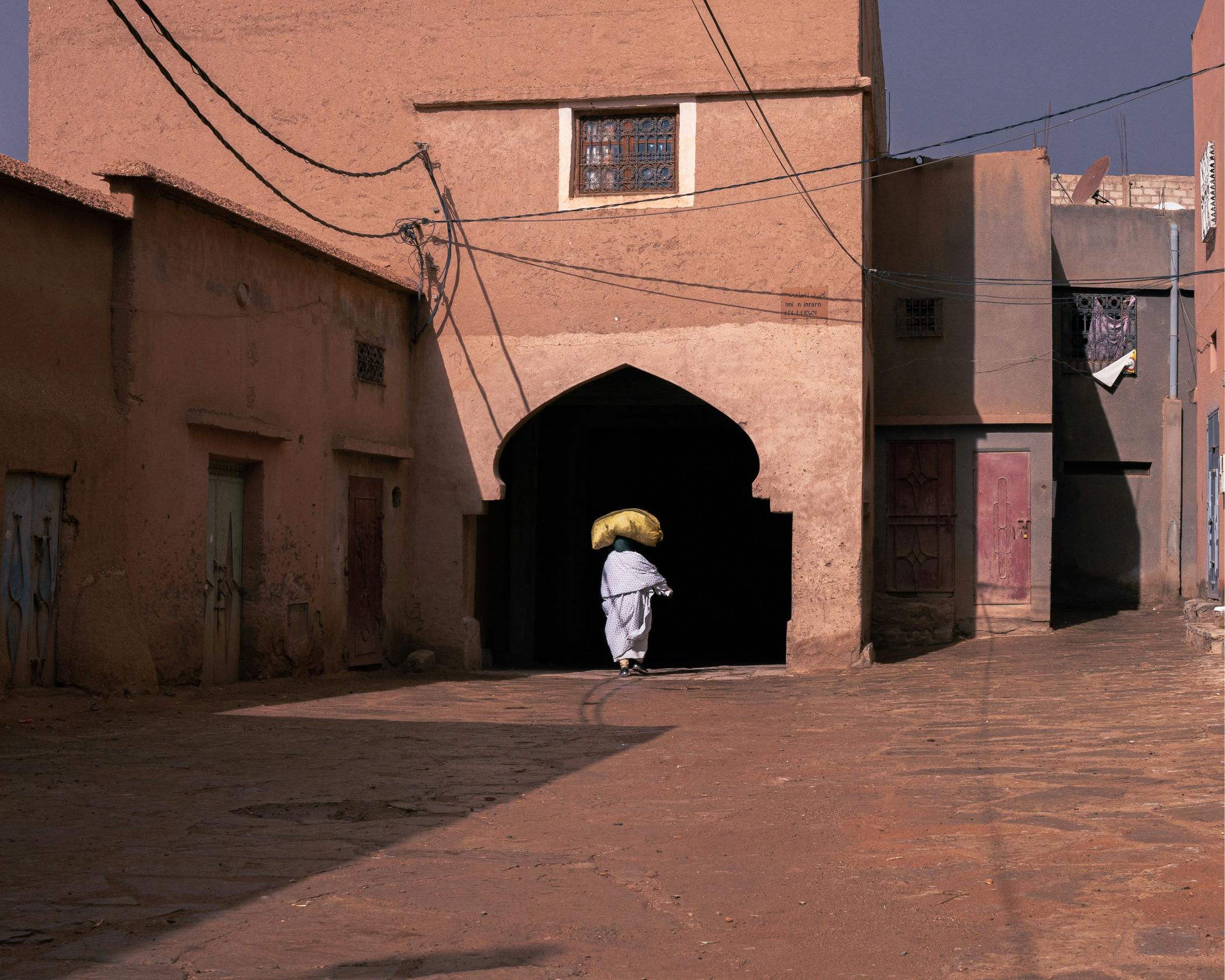
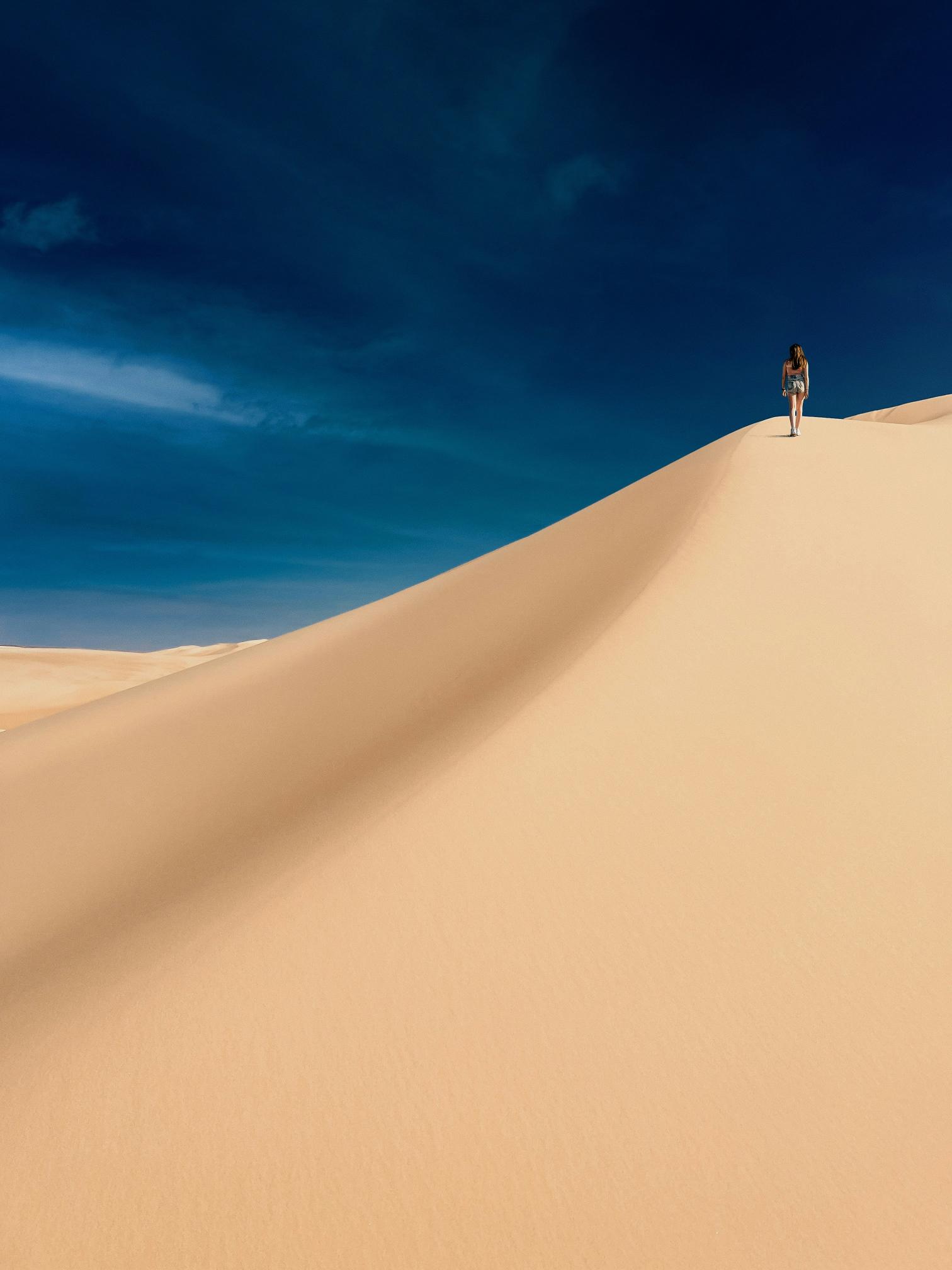
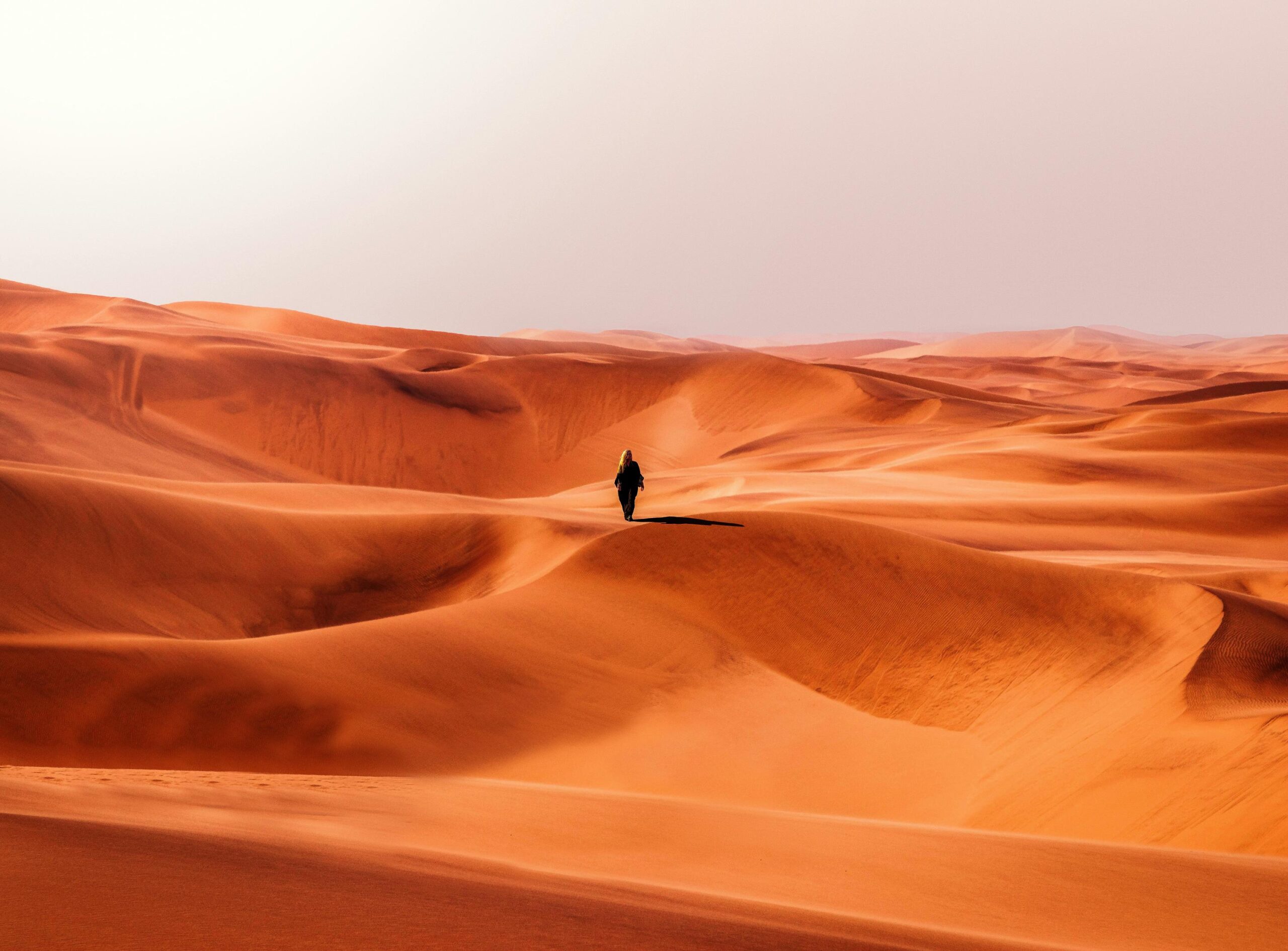
Ouarzazate attire les photographes depuis des décennies. Sa lumière extraordinaire, ses textures ancestrales et ses paysages bruts offrent des compositions impossibles à inventer.
Galerie Visuelle
Ouarzazate en images
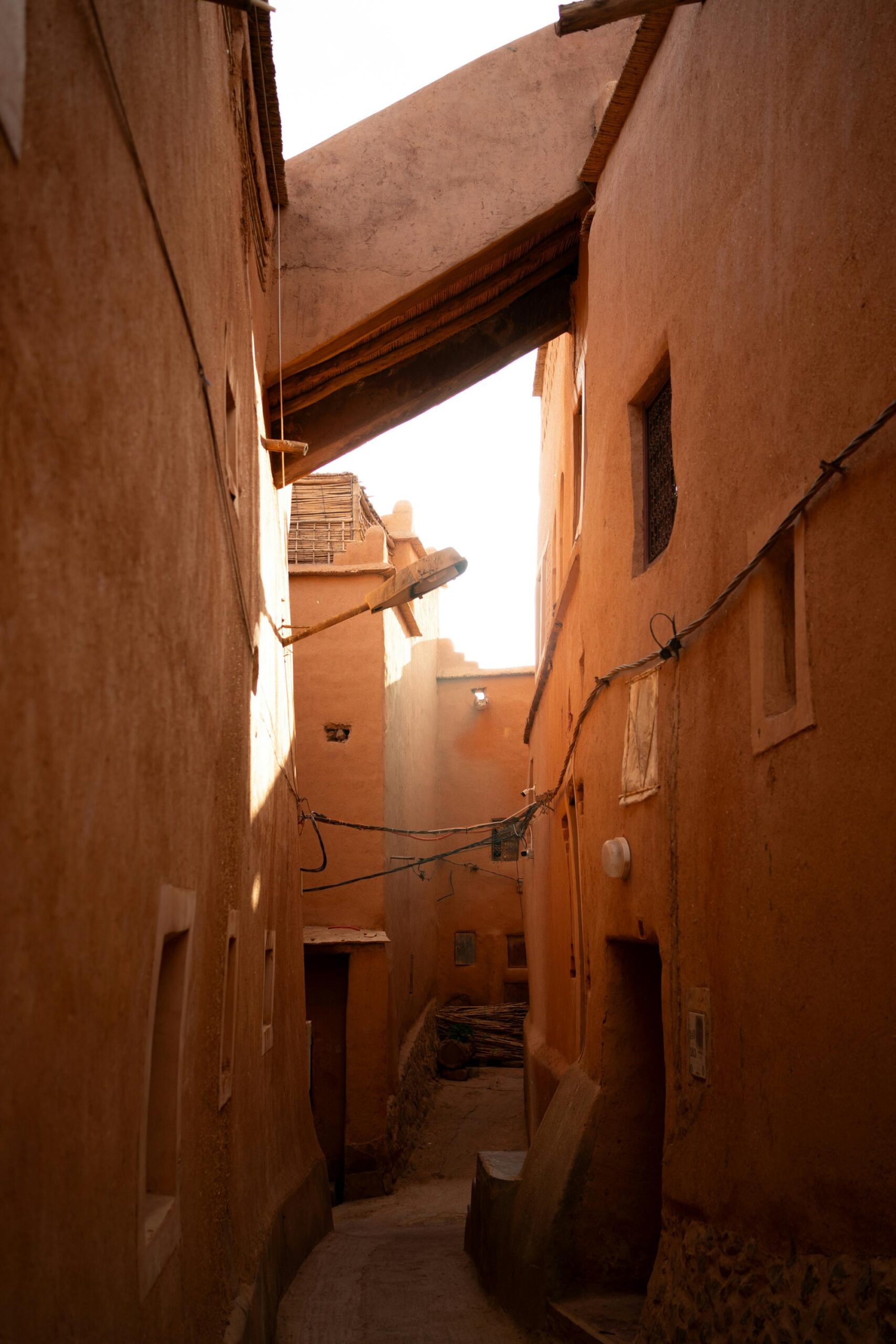
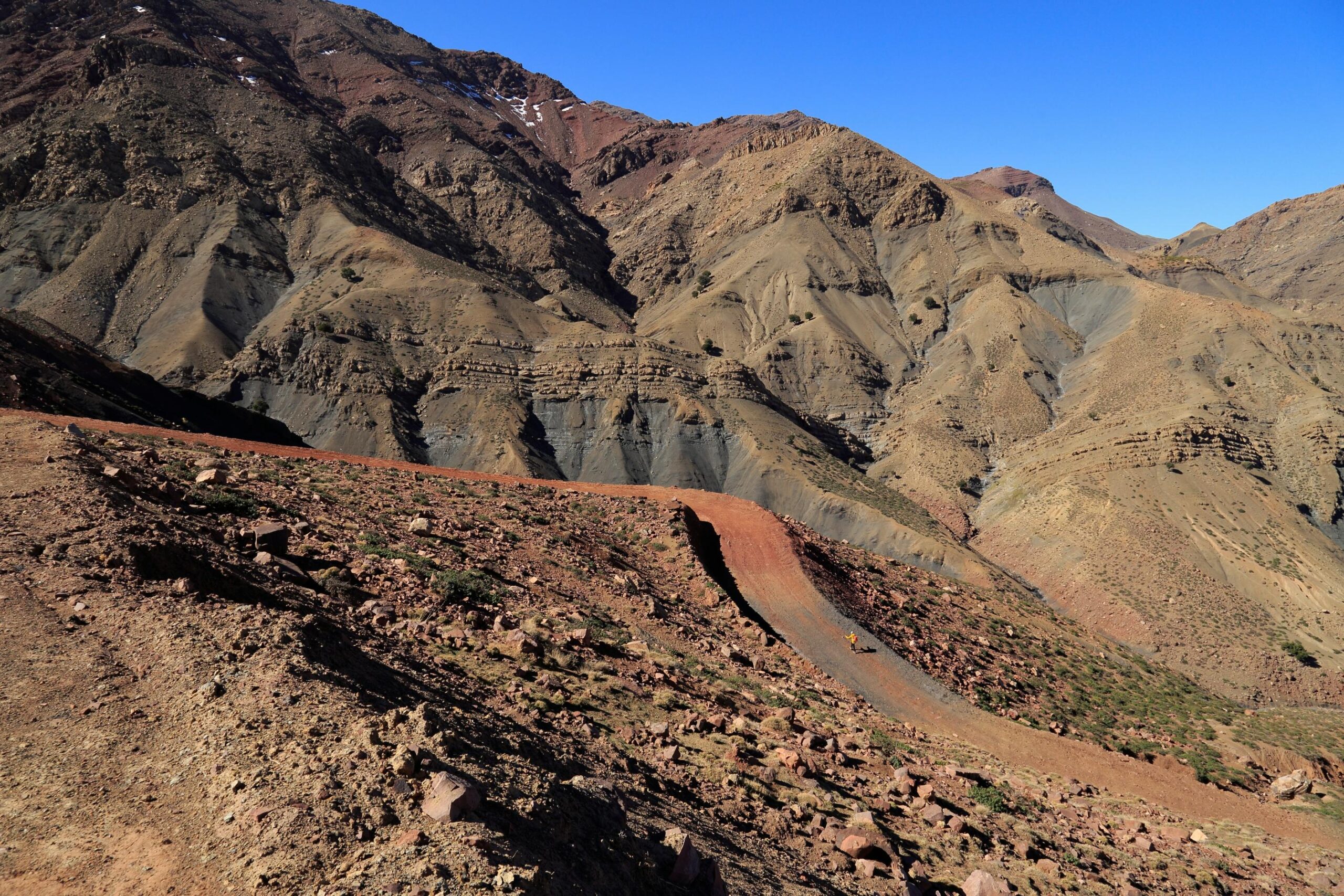
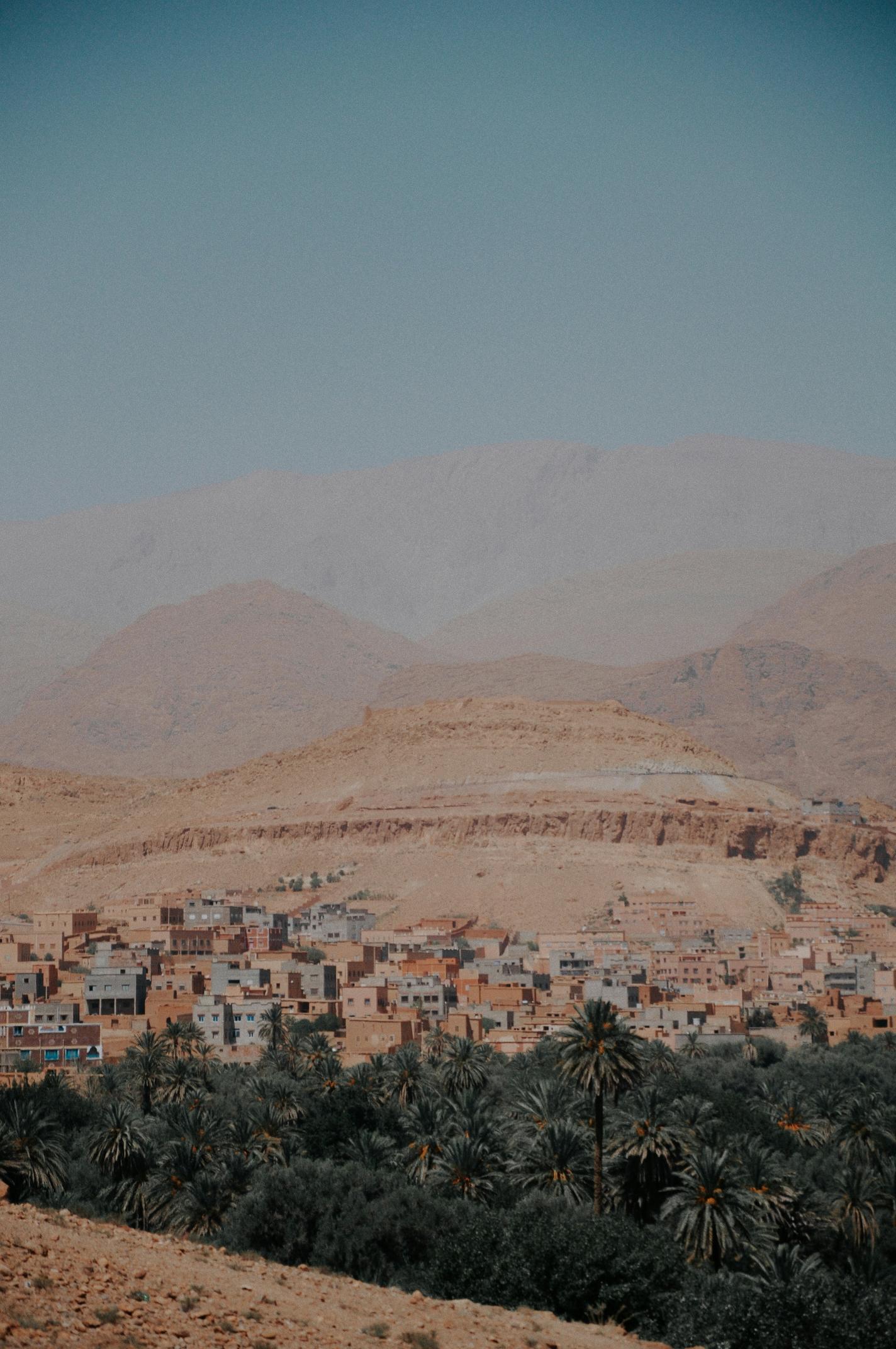
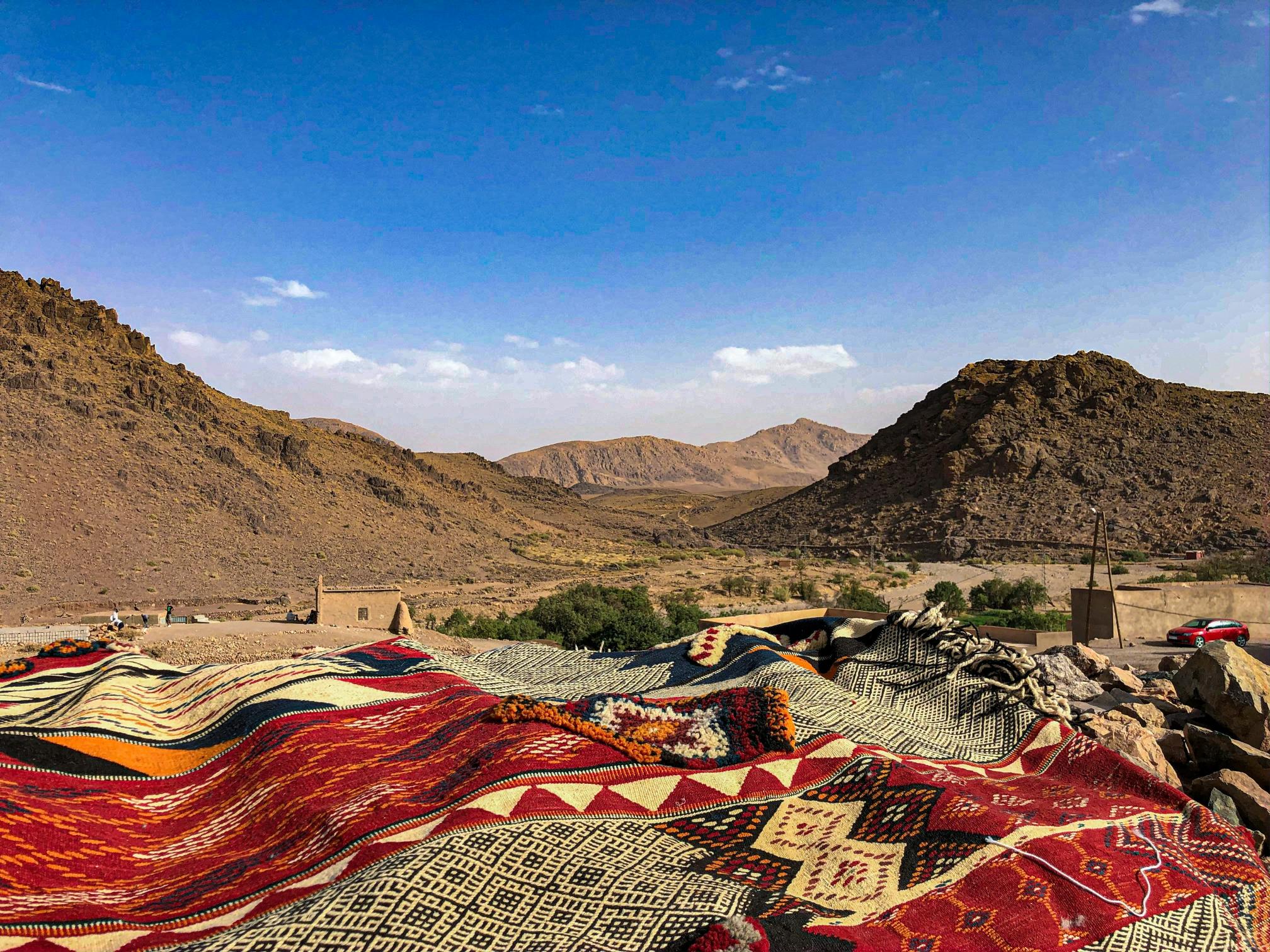
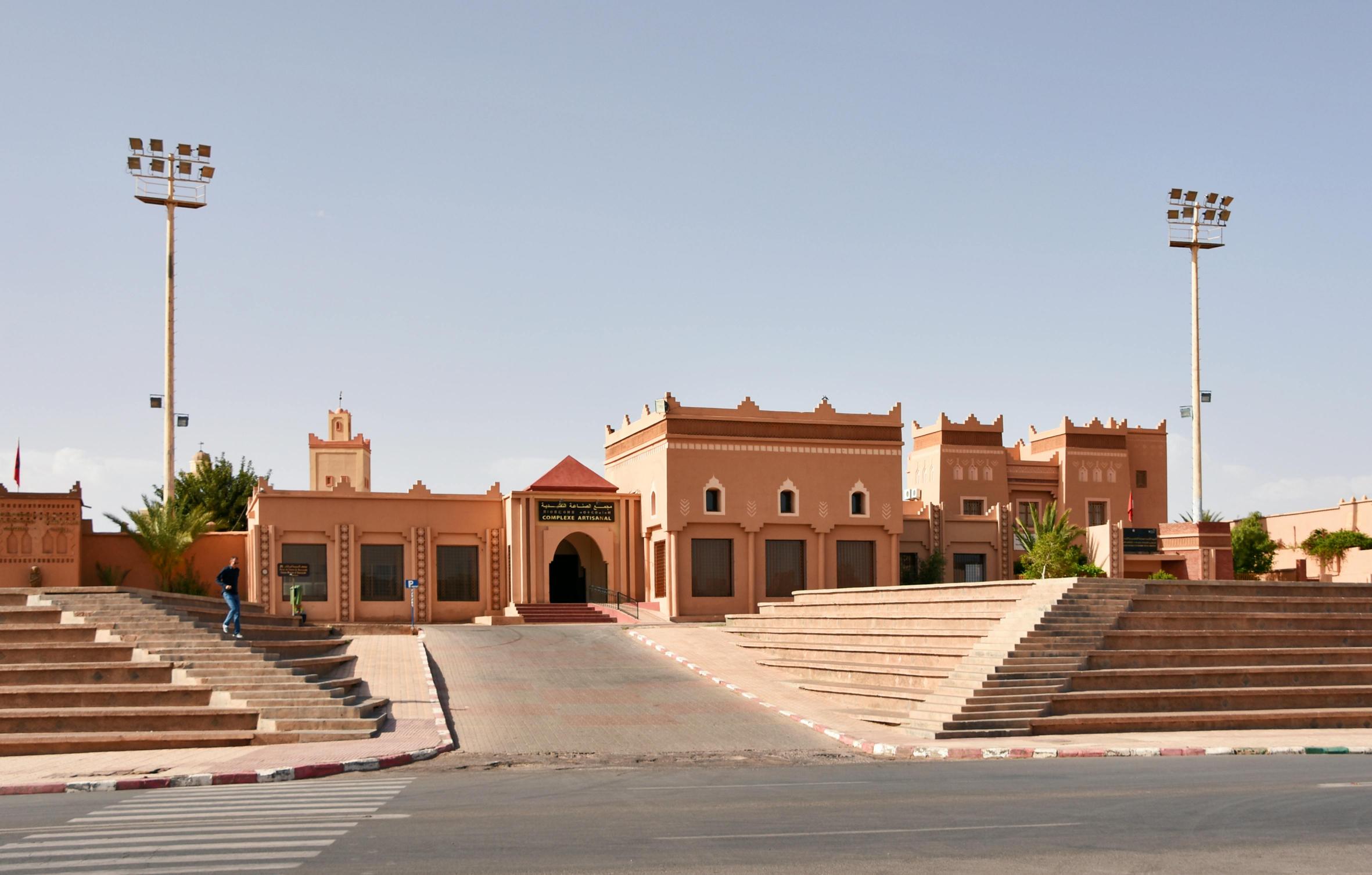
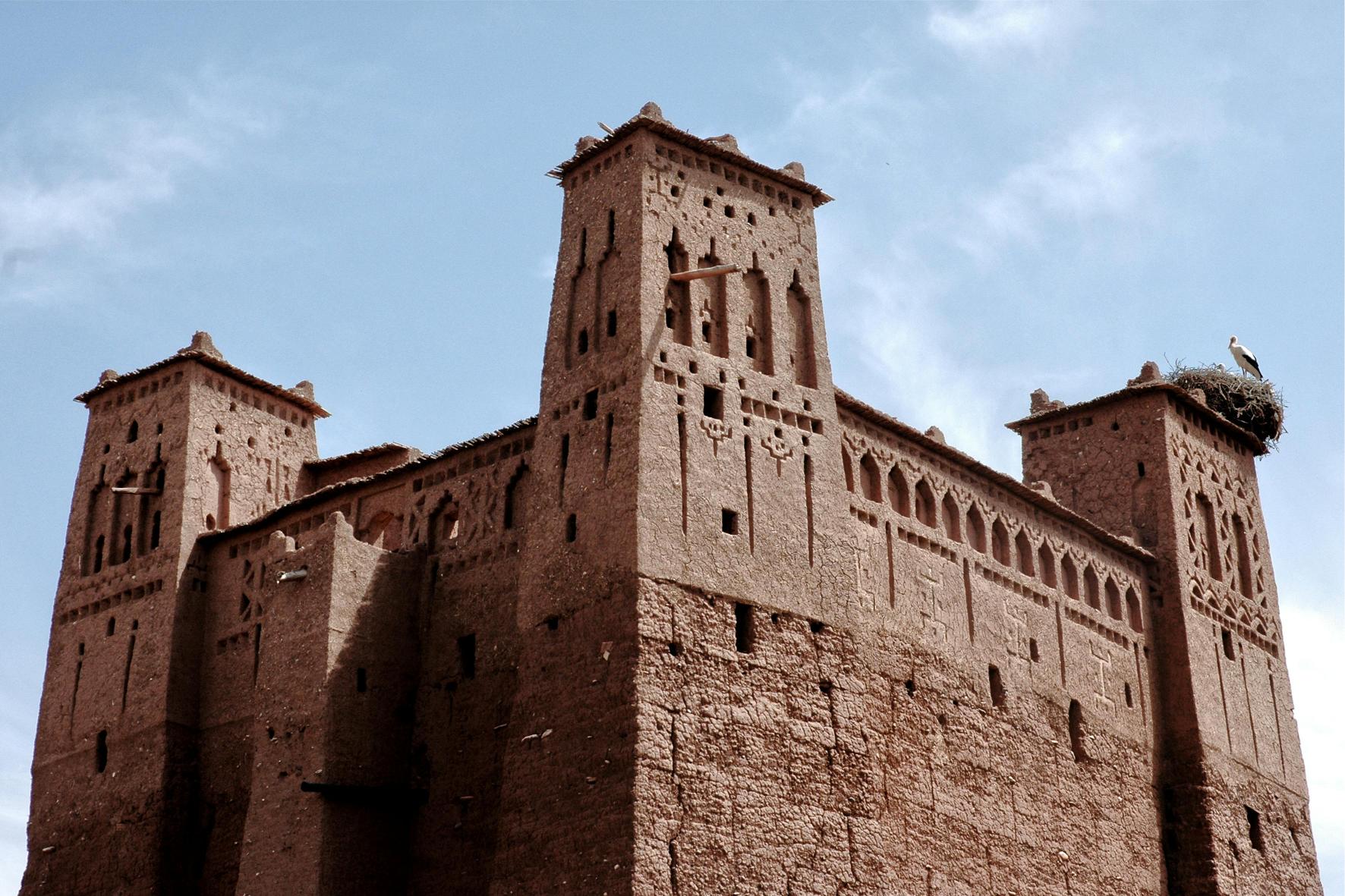
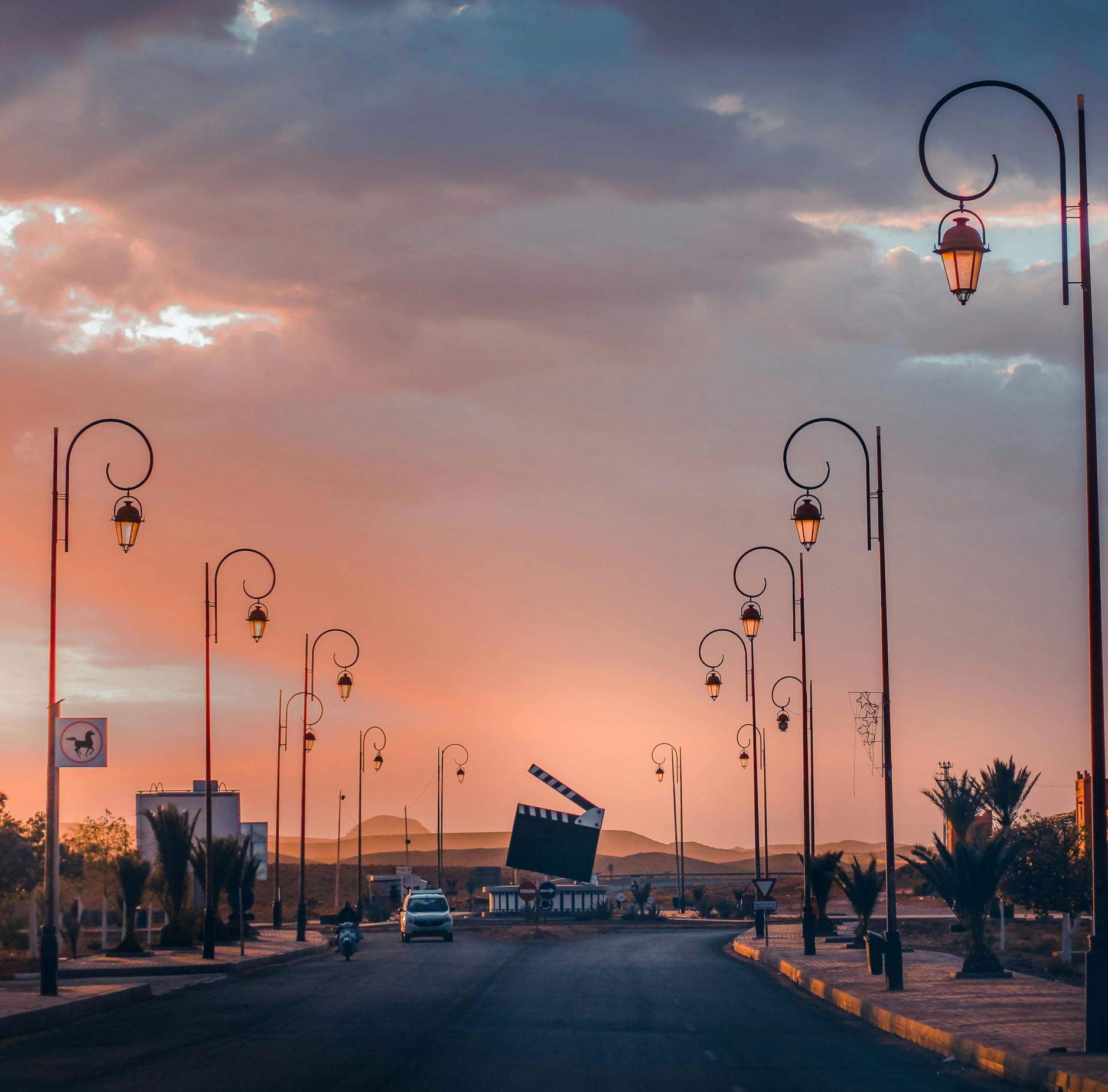
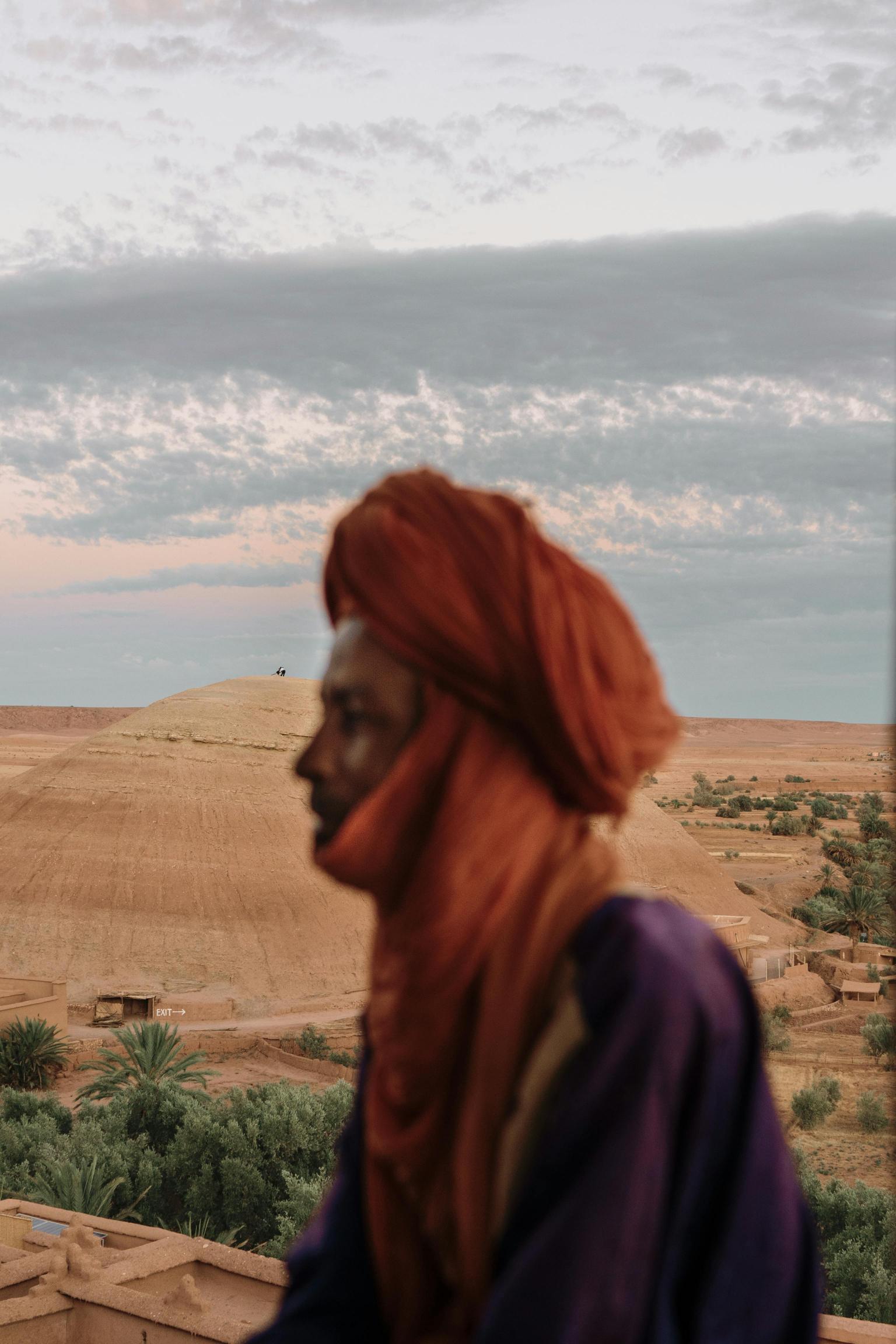
18 vues de la ville et de ses environs — kasbahs, désert, palmiers, gorges et ruelles silencieuses qui tissent tout ensemble. Cliquez sur une image pour l’agrandir.
Expériences
Que faire
Randonnée à Dos de Chameau
Rejoignez une caravane guidée vers la vallée du Draa ou le cœur du Sahara — au départ au crépuscule pour arriver à un camp nomade à l’apparition des étoiles. Le silence à dos de chameau est sans pareil au monde.
Vol en Montgolfière
Survolez les kasbahs aux premières lueurs du jour, en dérivant dans un silence absolu au-dessus des palmeraies et des vallées de roche rouge. La perspective aérienne sur ce paysage — avec l’Atlas visible au loin — est transcendante.
Exploration des Kasbahs
Parcourez les salles peintes de la Kasbah Taourirt et d’Aït Ben Haddou avec un guide berbère dont la famille vit dans ces murs depuis des générations. Leurs récits transforment la brique d’argile en histoire vivante.
Visite des Atlas Studios
Déambulez dans des temples égyptiens, des colisées romains et des forteresses médiévales construits pour Gladiator, Kingdom of Heaven et Game of Thrones. L’une des visites les plus surréalistes que vous vivrez jamais.
Observation des Étoiles
Roulez 30 minutes loin des lumières de la ville et installez un télescope. La Voie lactée est entièrement visible la plupart des nuits, et le silence est si complet que vous entendez battre votre propre cœur.
La Vallée des Roses en Mai
Dirigez-vous 100 km au nord vers Kelaa M’Gouna lors du Festival annuel des Roses — la vallée du Dadès explose en fleurs de Damas roses et l’air est saturé de vapeur d’eau de rose des distilleries.
Cours de Cuisine Berbère
Apprenez à préparer tagine, harira et pain msemen dans une cuisine familiale traditionnelle — en vous approvisionnant en épices au souk de la médina et en dînant sur une terrasse sur les toits alors que l’Atlas vire au mauve au crépuscule.
Rock Climbing at Todra
Les imposantes parois calcaires des gorges du Todra offrent plus de 150 voies balisées, du débutant à l’expert. Le microclimat du canyon maintient des températures plus fraîches que le désert environnant — idéal d’octobre à avril.
Quad dans le Désert
Foncez sur les roches volcaniques et le sable ouvert tandis que le soleil plonge à l’horizon. Le terrain autour d’Ouarzazate — plat, vide et d’une beauté brûlante — est fait pour ce genre de folie maîtrisée.
Visites d’Ateliers Artisanaux
Visitez la coopérative de tapis des femmes près de la Kasbah Taourirt et regardez les maîtres tisserands à l’œuvre. Les coopératives d’Ouarzazate produisent certains des plus beaux tapis berbères et bijoux en argent du Maroc.
Là où les épopées
naissent
Les paysages d’Ouarzazate ont figuré dans plus de 200 films et séries télévisées internationaux. Les Atlas Corporation Studios — ainsi que les décors naturels d’Aït Ben Haddou, de la vallée du Draa et du Sahara — offrent des environnements qu’aucun studio ne peut reproduire.
- Lawrence of Arabia1962
- The Man Who Would Be King1975
- The Last Temptation of Christ1988
- The Sheltering Sky1990
- Gladiator2000
- Black Hawk Down2001
- Kingfairem of Heaven2005
- Babel2006
- Prince of Persia2010
- Game of Thrones — Yunkai2013
- Gladiator II2024
Planification
Meilleure Période pour Visiter
Le printemps (mars–mai) et l’automne (septembre–novembre) sont idéaux — chauds, clairs et assez doux pour de longues journées en plein air. L’été dépasse 40°C mais la lumière du désert est extraordinaire. Les matins d’hiver sont vifs et les journées restent sans foule.
Comment y Arriver
Comment Arriver
Par avion : L’aéroport d’Ouarzazate (OZZ) reçoit des vols directs depuis Casablanca et des liaisons saisonnières européennes.
Par route depuis Marrakech : Une route spectaculaire de 3 à 4 heures franchissant le col du Tizi n’Tichka (2 260 m) — faites une halte à la kasbah de Telouet en chemin.
Par route depuis Fès : Une journée de route via Midelt et Errachidia.
Conseils Locaux
Savoir Local
Engagez un guide berbère agréé pour les kasbahs — ils ouvrent des salles et révèlent des histoires invisibles aux visiteurs solitaires. Ayez toujours du liquide sur vous ; le souk de la médina fonctionne uniquement en dirhams. Réservez un riad traditionnel plutôt qu’un hôtel. L’Avenue Mohammed V au crépuscule, bordée de locaux en promenade du soir, est un rituel qui mérite d’être vécu.
Questions
Fréquemment posées
Tout ce que vous devez savoir avant votre voyage à Ouarzazate.
Le voyage commence ici
Franchissez la
porte du désert
Ouarzazate récompense ceux qui s’attardent — dans ses ruelles, ses kasbahs, ses silences et ses soirées dorées au bord même du Sahara.
Planifier votre visite